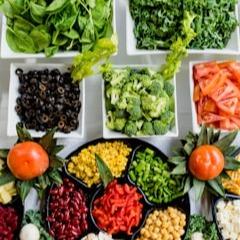
Help Youth Potential South Africa - YOUPSA by donating tree-, herb-, vegetable and flower seedlings for the development of our school community gardens

category
Home & Garden items
sub-category
Garden
How can you help?
Help Youth Potential South Africa - YOUPSA by donating tree-, herb-, vegetable and flower seedlings for the development of our school community gardens
Here's a little more info about this opportunity...
To run our programmes, YOUPSA urgently requires help with: - fuel vouchers for weekly travel to remote schools - car tires - a sturdy vehicle to travel the rough rural roads - arts supplies - musical instruments - balls – rugby balls, tennis balls, footballs - engaging & inspiring books for kids, primary through to high school - office supplies: printing paper, colored cardboard, office computer, laptop, extension cables, office chairs, graphic design software, projector & screen, voice recorder, video recorder, laminator, paper cutter, high quality camera - 2 cell phones with contracts - portable CD player - sponsorship for educational outings for the rural kids The urgency that YOUPSA addresses: South Africa is experiencing an education crisis, and the Eastern Cape Province (EC) has the most dire situation of all provinces. Poor academic opportunity is aggravated by extreme adversities like poverty, malnutrition, sickness and violence. Adversity affects the young people's ability to engage with the world, make healthy life choices and be successful. - less than 10% of the children live with their biological mother. - 24.7% of all children in the Eastern Cape are orphaned. - 60% of Grade 4 students cannot read for meaning in any language. - 79% of Grade 6 Maths teachers have a content knowledge level below the Grade 6 level. - over 50% dropout rate in EC of Grade 10 – 12, leading to an extremely low percentage of youth employability and poor access to post-school opportunities. - EC school leaving pass rate in 2016 was 59.3%, the worst in the country. - Teacher accountability, standard of education and skills are very low. Schools often lack a principal and are short staffed. Due to high teacher absenteeism, students are often sitting idle. The youth NEET (Not in Employment, Education or Training) rate is 33.7%. ‘Poverty – and its common consequences such as malnutrition, homelessness, poor housing and destitution – is a major contributor to vulnerability' (World Health Organization). Many children in South Africa find themselves in such vulnerable situations. Some are orphans (children whose both biological parents have passed away), while others reside in ‘Skip’ generation households (where grandparents raise grandchildren and parents are absent from the household) while some children are parents themselves (either to their own biological children or to their siblings). These conditions make it more challenging for children to have adequate access to healthcare services, social security, sufficient food, water and education. Although some children are able to rise above these conditions and carve a better future for themselves, some remain in these conditions even in their adulthood and also raise their own children in similar conditions (Statistics South Africa). YOUPSA's programs then become a critical ingredient in the young people's repertory to help navigate these challenges and flourish.
Helpful tips
Stay safe
- 1. Don’t pass any personal information to people you haven’t met offline before.
- 2. When meeting one of your contacts offline for the first time, always be sure to arrange to meet in a public place.
- 3. Make sure that you are not left alone with someone that you have never met before.
- 4. Know where you’re going. If you’re headed off the beaten track or into an unfamiliar part of town, be sure you have directions and a GPS or map book.
- 5. If you feel unsafe, consult the person in charge and let him or her know.
- 6. Avoid wearing expensive jewellery: it could get damaged, lost or stolen.
- 7. Ask, ask, ask! If you’re worried about something or concerned about your safety in a certain situation, ask the person in charge.