Garden-School Program
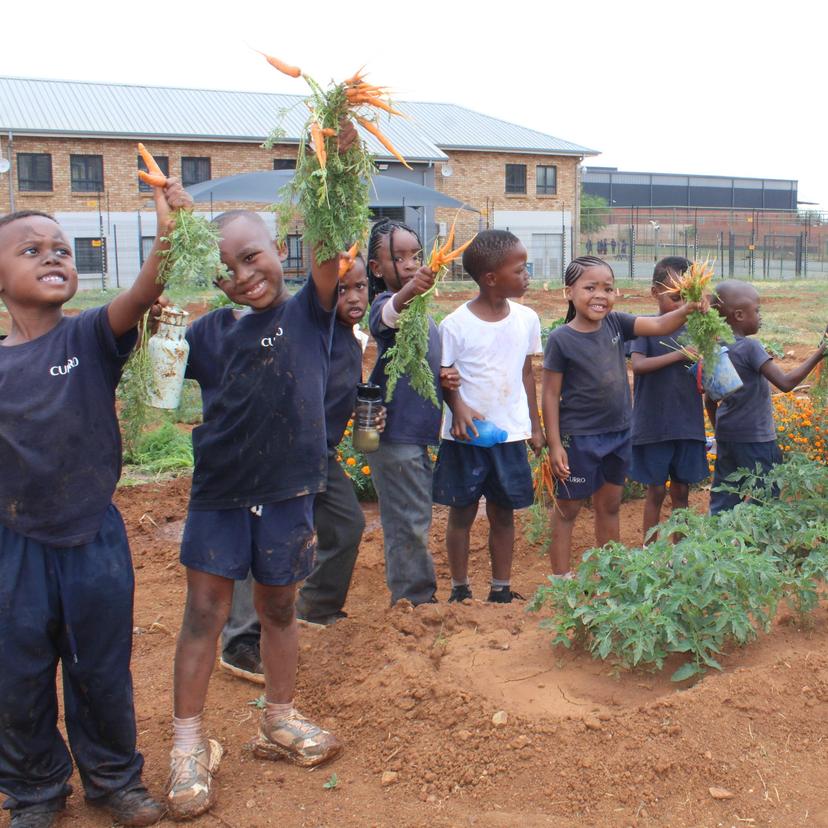
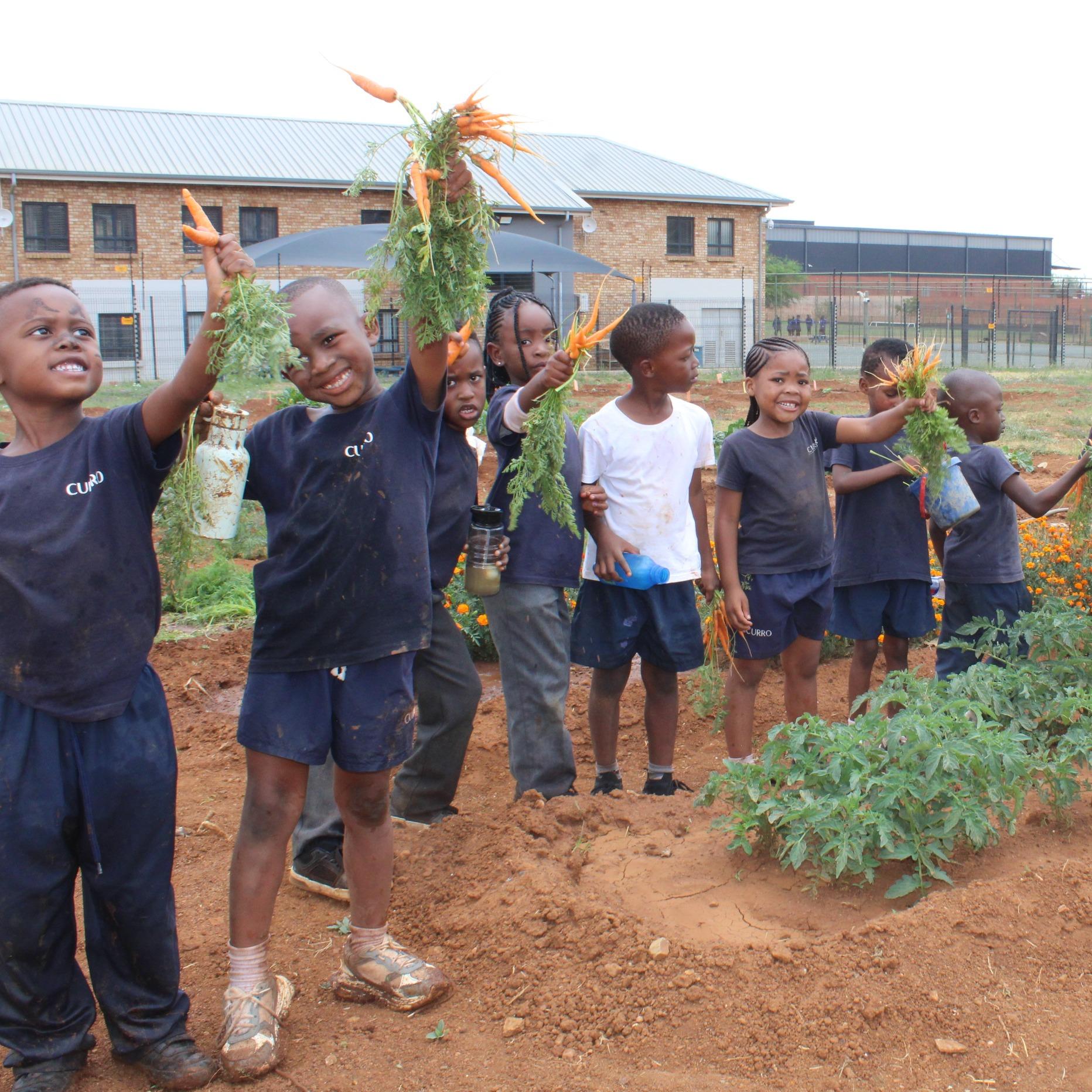
Our Garden-School Program empowers learners through sustainable agriculture and hands-on environmental education. By transforming school spaces into productive gardens, the program teaches food production, teamwork, responsibility, and climate awareness. It promotes food security, youth empowerment, and community involvement while inspiring learners to see agriculture as a pathway to sustainability, innovation, and future opportunity.
In many communities, schools stand as more than places of learning. They are shelters of hope, meeting points of dreams, and often the heartbeat of the community itself. Yet behind many classroom walls lies a difficult reality — learners arriving at school hungry, communities struggling with unemployment, and young people growing increasingly disconnected from the land that once sustained generations before them. It was from this reality that the Garden-School Program was born. What began as a simple vision to plant vegetables in schoolyards quickly grew into something much deeper: a movement to restore dignity, knowledge, sustainability, and opportunity through agriculture. The idea was not merely to create gardens, but to create living classrooms where learners could touch the soil, understand the environment, and discover that growth is possible even in difficult conditions. At first, many of the school spaces identified for the program were neglected and unused. Dry patches of land sat quietly behind classrooms, collecting litter and dust. Few imagined these spaces could one day produce spinach, cabbage, tomatoes, onions, herbs, and other crops capable of feeding both minds and bodies. But where others saw empty ground, the Garden-School Program saw potential. Teachers, learners, volunteers, and community members came together with one shared mission: to build something meaningful. The process itself became a lesson. Learners learned how to prepare soil, build planting beds, mix compost, conserve water, and care for crops. Their hands became stained with earth, but their minds became alive with curiosity and pride. Something remarkable began to happen. Learners who once struggled to participate in class became engaged and confident. Quiet children found their voices while explaining planting techniques to visitors. Discipline improved as learners understood the importance of consistency and responsibility. The garden became more than an agricultural project — it became a place of belonging. For many learners, this was their first real experience growing food. In a generation raised increasingly around screens and concrete, the simple act of planting a seed carried profound meaning. They learned patience as they waited for seedlings to emerge. They learned resilience when crops faced pests, drought, or harsh weather. Most importantly, they learned that growth takes time, effort, and care — a lesson that extends far beyond the garden fence. The impact of the program soon reached beyond the school gates. Parents began taking interest in home gardening after seeing what their children were learning. Community members volunteered tools, seeds, and labour. Some schools used harvested produce to support feeding schemes, helping ensure learners received nutritious meals during the school day. In communities where food insecurity remains a daily challenge, even a small harvest carried significant value. The Garden-School Program also opened conversations about the future of agriculture. Too often, farming is viewed as outdated or as a last resort rather than a pathway to innovation and economic empowerment. The program challenges this perception directly. Learners are introduced to modern, climate-smart agricultural practices and encouraged to see agriculture as a sector filled with opportunity, entrepreneurship, and purpose. At the same time, environmental awareness became central to the program’s teachings. Learners began understanding the importance of water conservation, composting, recycling, biodiversity, and sustainable food systems. In an era shaped by climate change and environmental uncertainty, these lessons are no longer optional — they are essential. What makes the Garden-School Program truly special is that it grows more than vegetables. It grows confidence. It grows leadership. It grows community spirit. It grows the belief that even small actions, when nurtured consistently, can transform lives. There is an old truth carried through generations: when you teach a child to work with the land, you give them more than food — you give them survival, discipline, and independence. The Garden-School Program carries that wisdom into the modern age. It bridges traditional knowledge with contemporary sustainability practices, reminding young people that the future does not only live in technology and cities, but also in the soil beneath their feet. Today, every garden bed tells a story. A story of learners who discovered purpose through planting. A story of schools that transformed neglected spaces into sources of life. A story of communities choosing collaboration over despair. And above all, a story of hope taking root. Like every seed planted in the garden, the true impact of the program may not be fully visible immediately. But with time, care, and continued support, those seeds will grow into something powerful — a generation that understands sustainability, values community, and carries
Other stories
Smart Eco-Parks Program
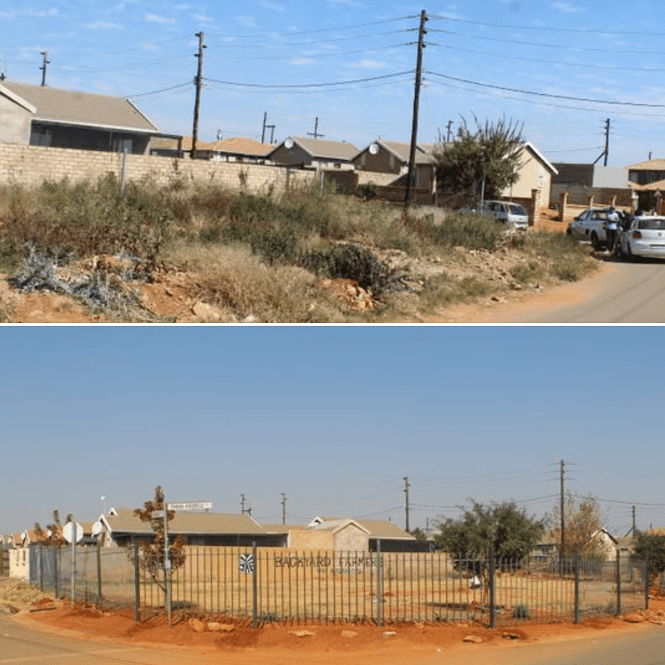
Backyard Farmers' Smart Eco-Parks Program transforms neglected public spaces into sustainable community hubs that promote environmental education, ...
Community Greening Program
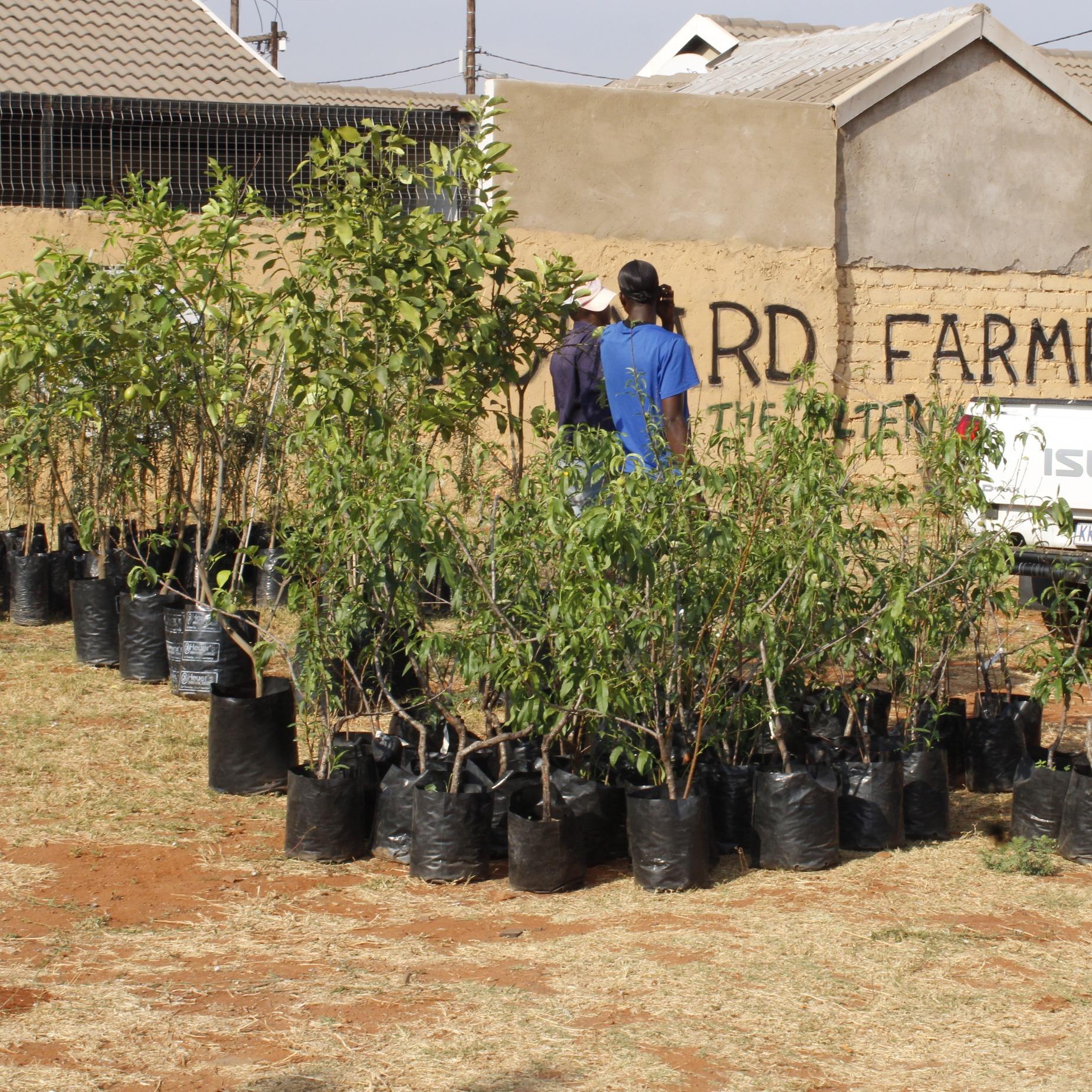
Backyard Farmers’s Community Greening Program transforms neglected public spaces into clean, green environments that restore dignity and community ...

Schools-Recycling Program
The Schools-Recycling Program promotes environmental responsibility by teaching learners the importance of recycling, waste separation, and ...
Schools-Environment Program
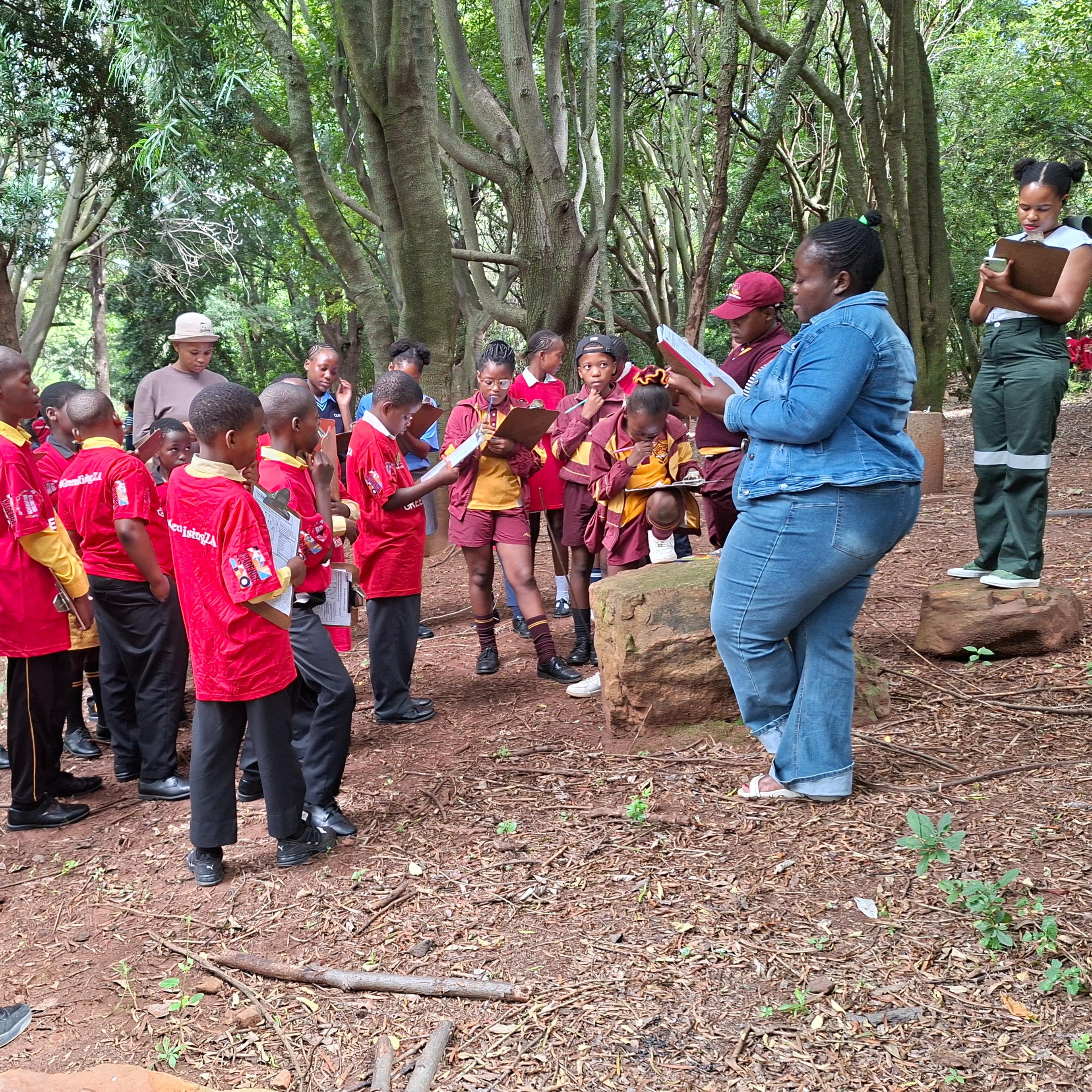
The Schools-Environment Program empowers learners to become environmental stewards through practical education and sustainability initiatives. The ...
Garden-School Program
Our Garden-School Program empowers learners through sustainable agriculture and hands-on environmental education. By transforming school spaces into ...