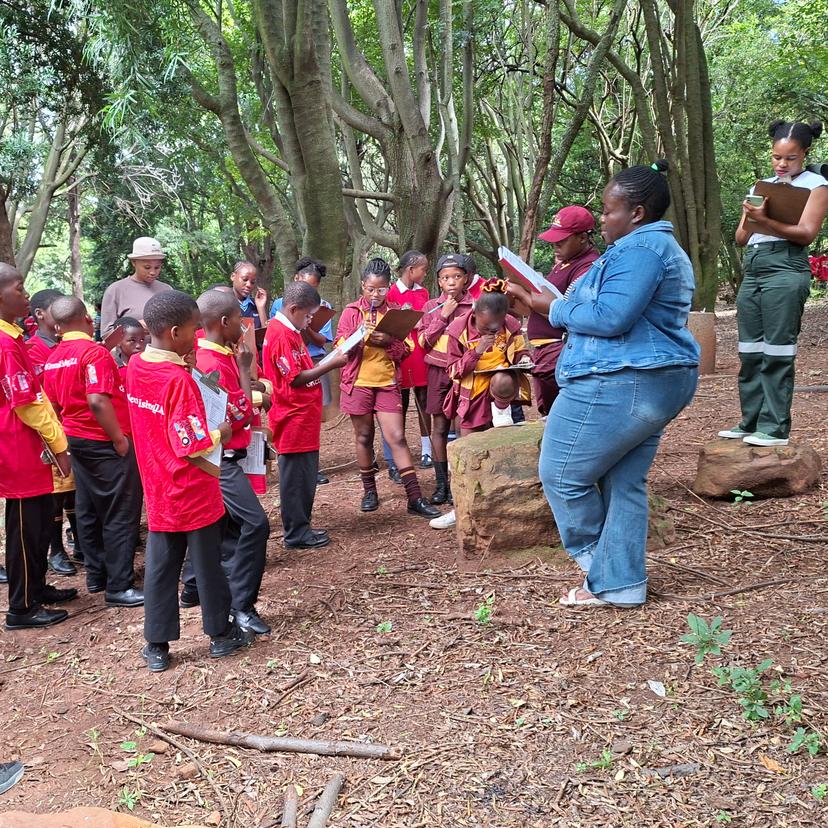
Schools-Environment Program
The Schools-Environment Program empowers learners to become environmental stewards through practical education and sustainability initiatives. The program promotes recycling, clean-up campaigns, tree planting, water conservation, and climate awareness within schools and communities. By combining environmental education with hands-on action, it nurtures responsible, environmentally conscious youth committed to building cleaner, greener, and more sustainable communities.
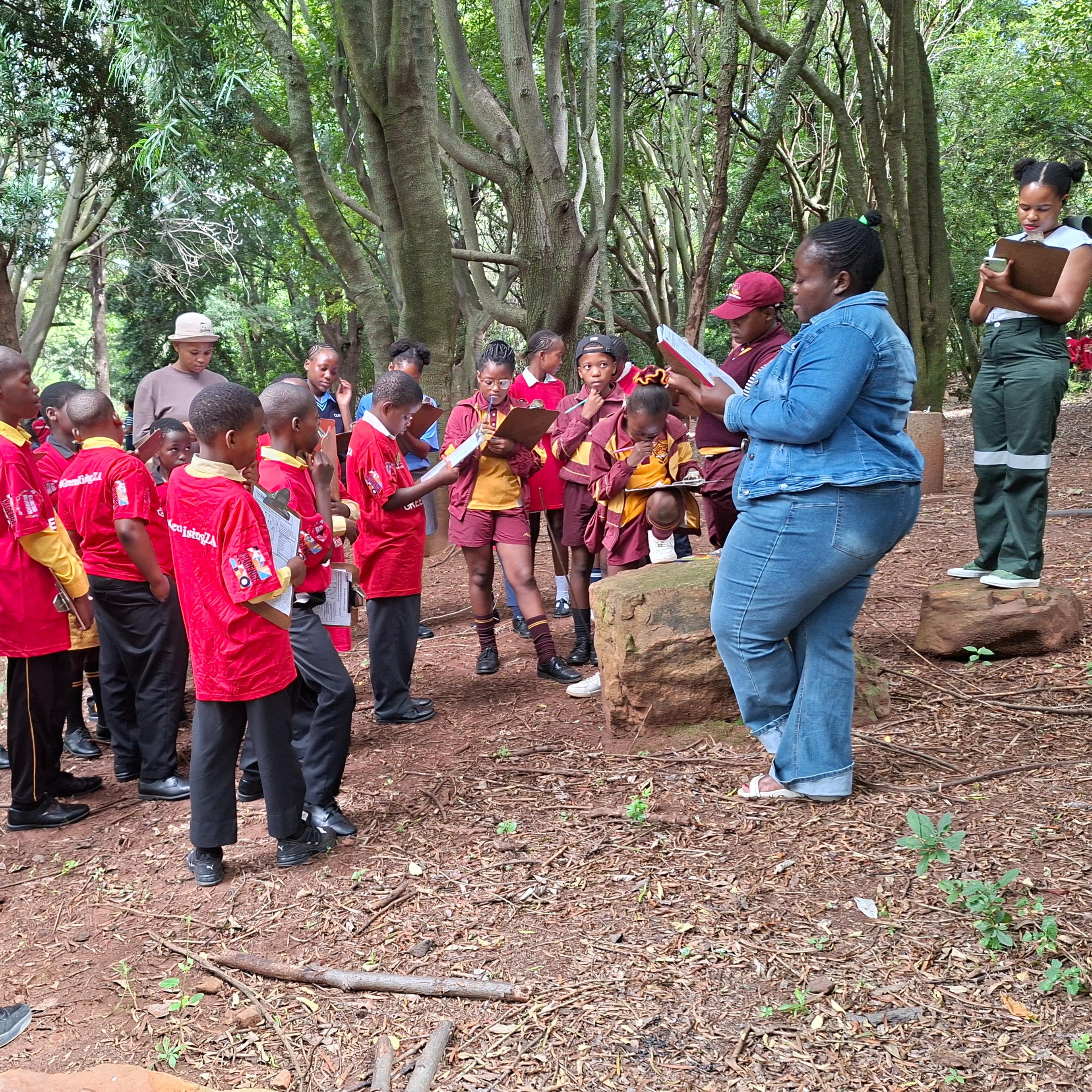
The Schools-Environment Program began with a question that many communities had quietly stopped asking: what kind of future are we leaving behind for the next generation? In many areas, littered streets, polluted open spaces, illegal dumping, and neglected environments had become ordinary sights. Plastic drifted through schoolyards when the wind blew. Rivers carried waste instead of life. Trees disappeared while temperatures rose year after year. For many young people, environmental destruction had become so common that it no longer shocked them. It simply existed. Yet within that reality, there was also an opportunity. The Schools-Environment Program was created to help young people reconnect with the environment and understand their role in protecting it. The vision was simple but powerful: schools should not only produce educated learners, but responsible citizens who understand sustainability, conservation, and the importance of caring for the world around them. At first, the idea seemed small. Organize clean-up campaigns. Introduce recycling projects. Plant trees. Teach learners about climate change and sustainability. But as the program began reaching schools and communities, something remarkable happened. What started as environmental activities slowly became a movement of awareness, pride, and responsibility. Many participating schools faced difficult conditions. Some had neglected outdoor spaces filled with litter and unused areas. Learners often viewed environmental care as someone else’s responsibility — perhaps the municipality, community workers, or adults in general. Few believed young people themselves could make any meaningful difference. The program challenged that mindset from the very beginning. Learners were encouraged to become active participants rather than passive observers. Through workshops, practical activities, and school campaigns, they began learning about waste management, recycling, water conservation, biodiversity, pollution, and climate change. More importantly, they learned how these issues directly affected their own lives and communities. For many learners, it was the first time environmental education felt real. A lesson about pollution became more meaningful when learners cleaned a nearby stream filled with waste. Conversations about water conservation became personal during periods of drought and water shortages. Tree planting activities became symbols of hope and restoration rather than ordinary school exercises. Slowly, the atmosphere within schools began changing. Learners started taking pride in keeping their surroundings clean. Recycling stations were introduced and monitored by students themselves. Environmental clubs emerged. Teachers noticed increased participation during sustainability projects. Some learners even began bringing environmental practices into their homes, encouraging family members to recycle, reduce waste, and conserve water. One learner returned home after a workshop and convinced his family to start separating recyclable materials instead of burning or dumping waste. Another organized a small clean-up campaign in her neighbourhood after noticing illegal dumping near a playground. These were not massive national interventions. They were small community actions. But history has always shown that lasting change rarely begins with grand gestures. It begins with ordinary people deciding to care. The Schools-Environment Program also focuses on leadership development. Environmental responsibility requires discipline, teamwork, communication, and long-term commitment. Learners involved in the program often take responsibility for organizing awareness campaigns, leading clean-up activities, monitoring recycling projects, and educating peers about sustainability. Many discover confidence and leadership abilities they never knew they had. What makes the program especially powerful is its practical approach. Young people are not only taught environmental theory; they actively participate in solutions. They see direct results from their efforts. A neglected school corner becomes a green space. A dirty playground becomes clean again. Waste once scattered across school grounds is transformed into recyclable material. Through action, learners begin understanding that positive change is possible when people work together consistently. Community involvement soon became an important part of the program’s success. Parents, local organizations, volunteers, and community members often join school environmental activities, strengthening relationships between schools and surrounding communities. In some cases, schools become examples of environmental responsibility that inspire neighbouring areas to adopt cleaner and greener practices. The program also encourages a deeper understanding of sustainability in a rapidly changing world.
Other stories
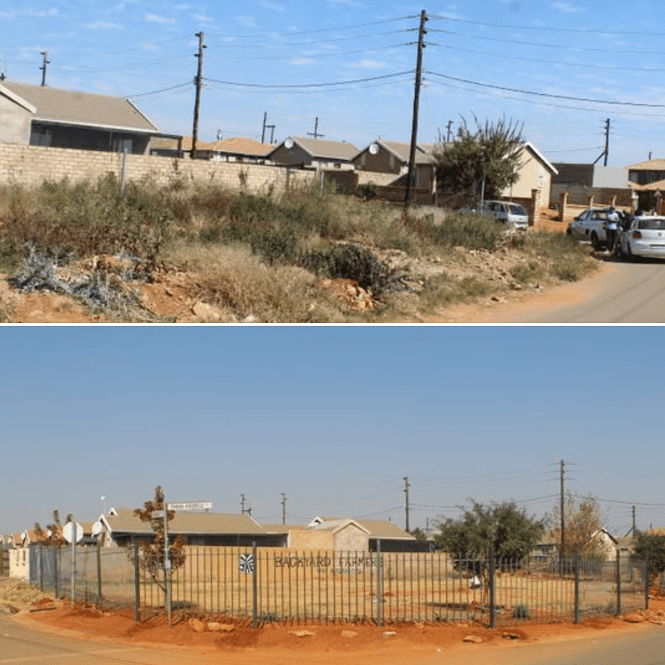
Smart Eco-Parks Program
Backyard Farmers' Smart Eco-Parks Program transforms neglected public spaces into sustainable community hubs that promote environmental education, ...
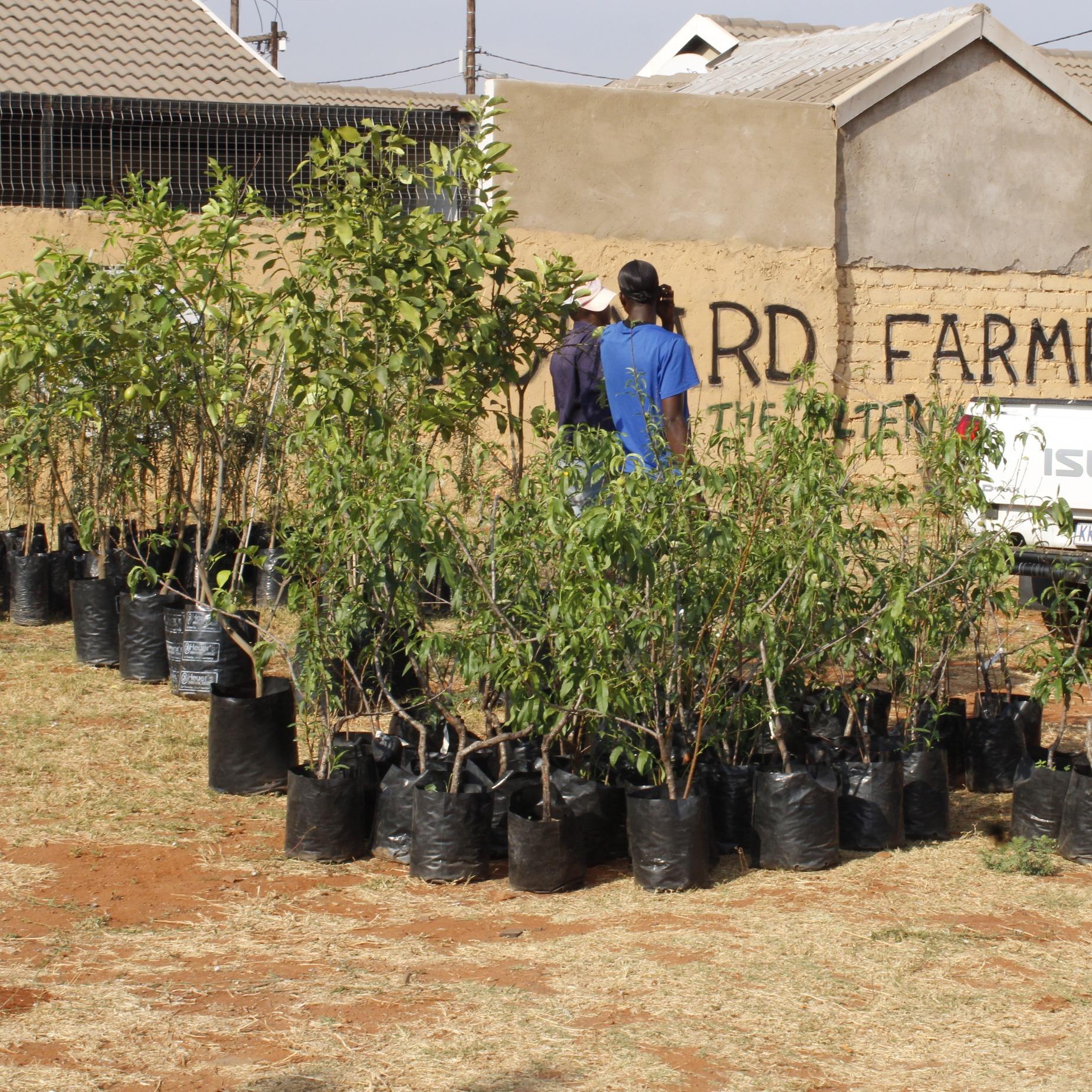
Community Greening Program
Backyard Farmers’s Community Greening Program transforms neglected public spaces into clean, green environments that restore dignity and community ...
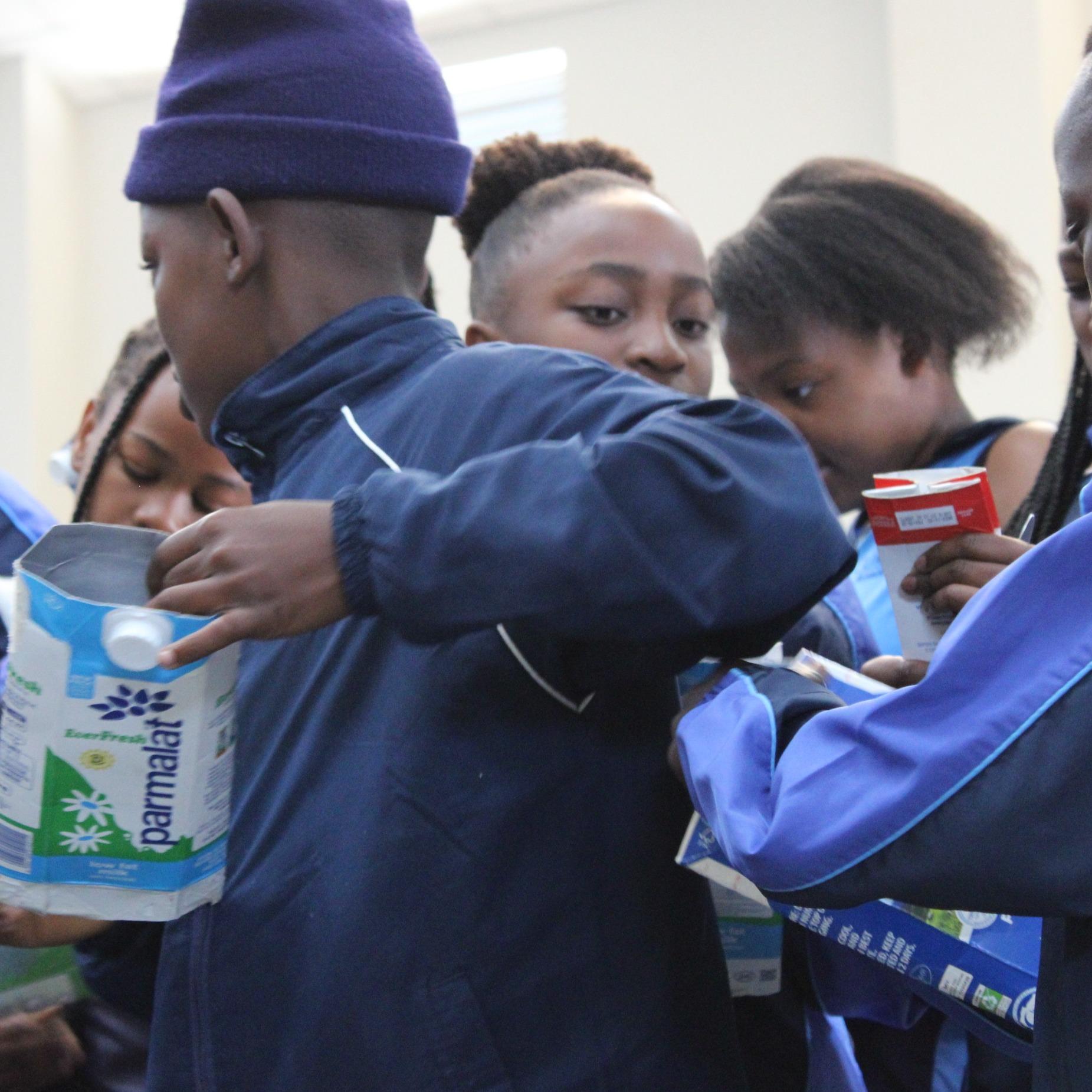
Schools-Recycling Program
The Schools-Recycling Program promotes environmental responsibility by teaching learners the importance of recycling, waste separation, and ...
Schools-Environment Program
The Schools-Environment Program empowers learners to become environmental stewards through practical education and sustainability initiatives. The ...
Garden-School Program
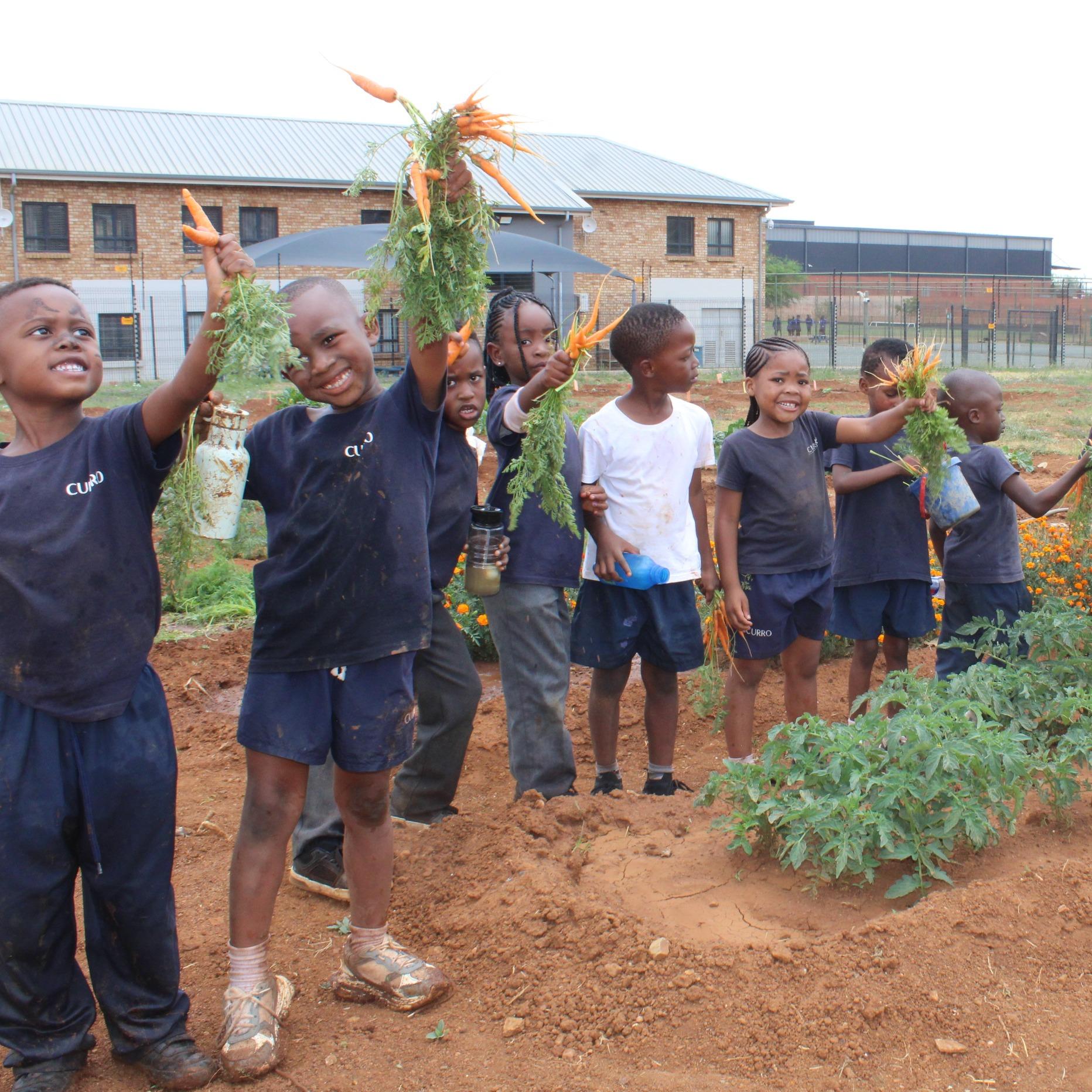
Our Garden-School Program empowers learners through sustainable agriculture and hands-on environmental education. By transforming school spaces into ...