Schools-Recycling Program
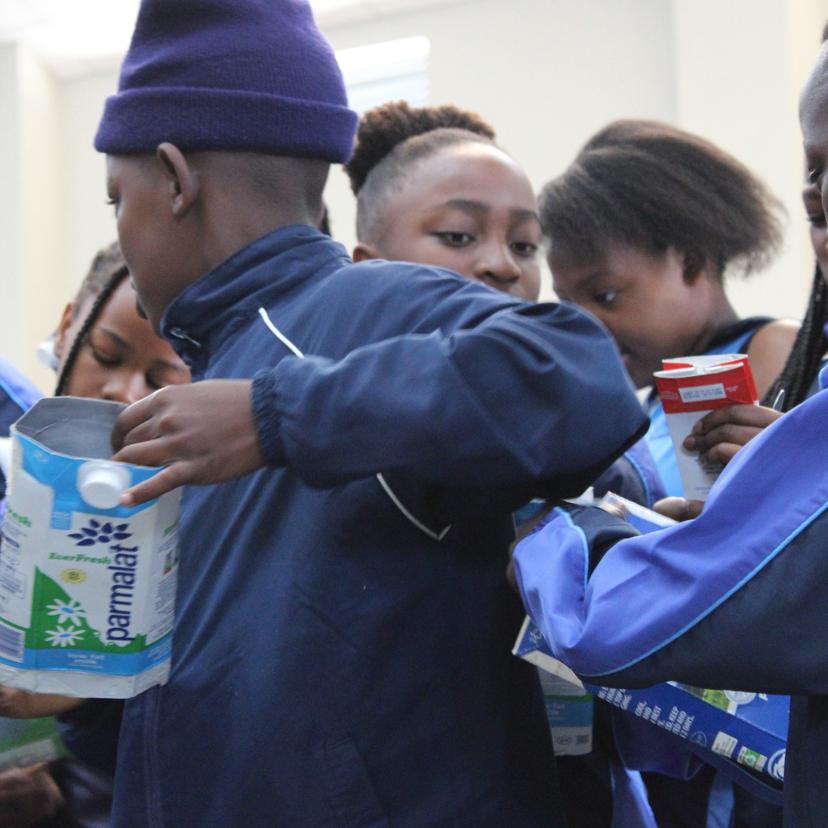
The Schools-Recycling Program promotes environmental responsibility by teaching learners the importance of recycling, waste separation, and sustainable waste management. Through recycling campaigns, clean-up activities, and practical education, learners develop responsible habits while helping create cleaner school environments. The program encourages teamwork, environmental awareness, and community participation to build a culture of sustainability.
The Schools-Recycling Program was created from a growing concern shared by many communities: waste was becoming part of everyday life. Plastic bottles lined playground fences, food wrappers drifted across schoolyards, and illegal dumping sites continued to grow near homes, rivers, and public spaces. In many places, litter had become so common that people no longer noticed it. The environment was slowly carrying the burden of habits built on convenience and carelessness. Yet within schools, there remained an opportunity to change the story. The Schools-Recycling Program was established with one clear mission — to educate, empower, and inspire young people to become responsible environmental citizens through recycling and sustainable waste management practices. The program recognized something powerful: if children are taught early to respect the environment, those lessons often shape not only their own future, but the future of entire communities. At first, many schools participating in the program faced significant challenges. Waste bins overflowed daily. Learners mixed recyclable materials with ordinary rubbish. Plastic bottles, paper, cans, and food packaging were treated as useless waste rather than valuable recyclable resources. Environmental awareness existed in theory, but practical understanding was limited. The program began by introducing simple but meaningful activities. Learners attended recycling workshops where they learned about waste separation, pollution, environmental conservation, and the life cycle of recyclable materials. Schools introduced clearly marked recycling stations for paper, plastics, cans, and other recyclable waste. Clean-up campaigns became regular activities, encouraging learners to take pride in their surroundings. What seemed small in the beginning soon began changing mindsets. Learners who once casually threw litter onto the ground began correcting their peers about proper waste disposal. Teachers noticed growing enthusiasm whenever recycling activities were introduced. School corridors became cleaner. Recycling competitions between classes brought excitement and teamwork into environmental education. Most importantly, learners started understanding that waste does not simply disappear once thrown away. They learned how pollution affects rivers, oceans, wildlife, communities, and human health. They discovered that recycling reduces landfill waste, conserves natural resources, saves energy, and helps protect the environment for future generations. For many learners, these lessons became personal. One learner returned home and created separate recycling containers for plastic and paper in his household. Another started collecting cans in her neighbourhood to support a school recycling initiative. Some learners began educating younger siblings and neighbours about recycling practices. What started inside classrooms slowly spread into homes and communities. The Schools-Recycling Program focuses strongly on practical participation because sustainability cannot be built through theory alone. Learners are encouraged to become active contributors to environmental solutions rather than passive listeners. Through hands-on activities, they experience the direct impact of their efforts. A once-littered schoolyard becomes clean. Recyclable materials once treated as waste are collected and reused. Learners begin seeing that small daily actions can create meaningful environmental change over time. Beyond environmental awareness, the program also promotes important life skills. Recycling initiatives require teamwork, discipline, planning, communication, and responsibility. Learners often organize awareness campaigns, monitor recycling stations, coordinate collection drives, and educate peers about proper waste management. Many develop leadership abilities and confidence while contributing positively to their schools. Community involvement soon became an important part of the program’s growth. Parents, local businesses, educators, and community organizations began supporting school recycling activities through donations, awareness campaigns, and collection partnerships. In some communities, schools became examples of environmental responsibility that inspired surrounding neighbourhoods to adopt cleaner and more sustainable practices. The program also highlights the broader economic and social value of recycling. Learners are introduced to the idea that waste can become opportunity. Recycling supports green economies, creates employment opportunities, reduces pressure on landfills, and contributes to cleaner and healthier communities. Young people begin understanding that sustainability and economic development can work together rather than against each other. In today’s world, where pollution and environmental degradation continue to threaten ecosystems and public health globally, recycling has become more than a good habit — it has become a necessity.
Other stories
Smart Eco-Parks Program
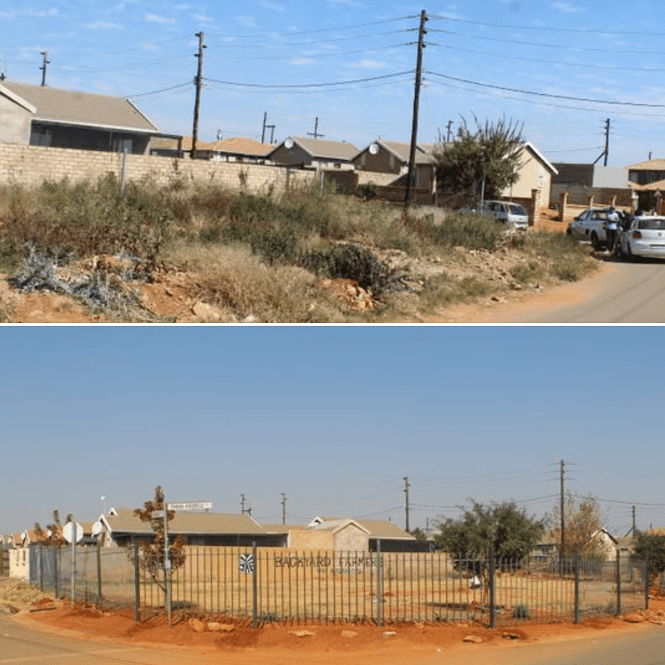
Backyard Farmers' Smart Eco-Parks Program transforms neglected public spaces into sustainable community hubs that promote environmental education, ...
Community Greening Program
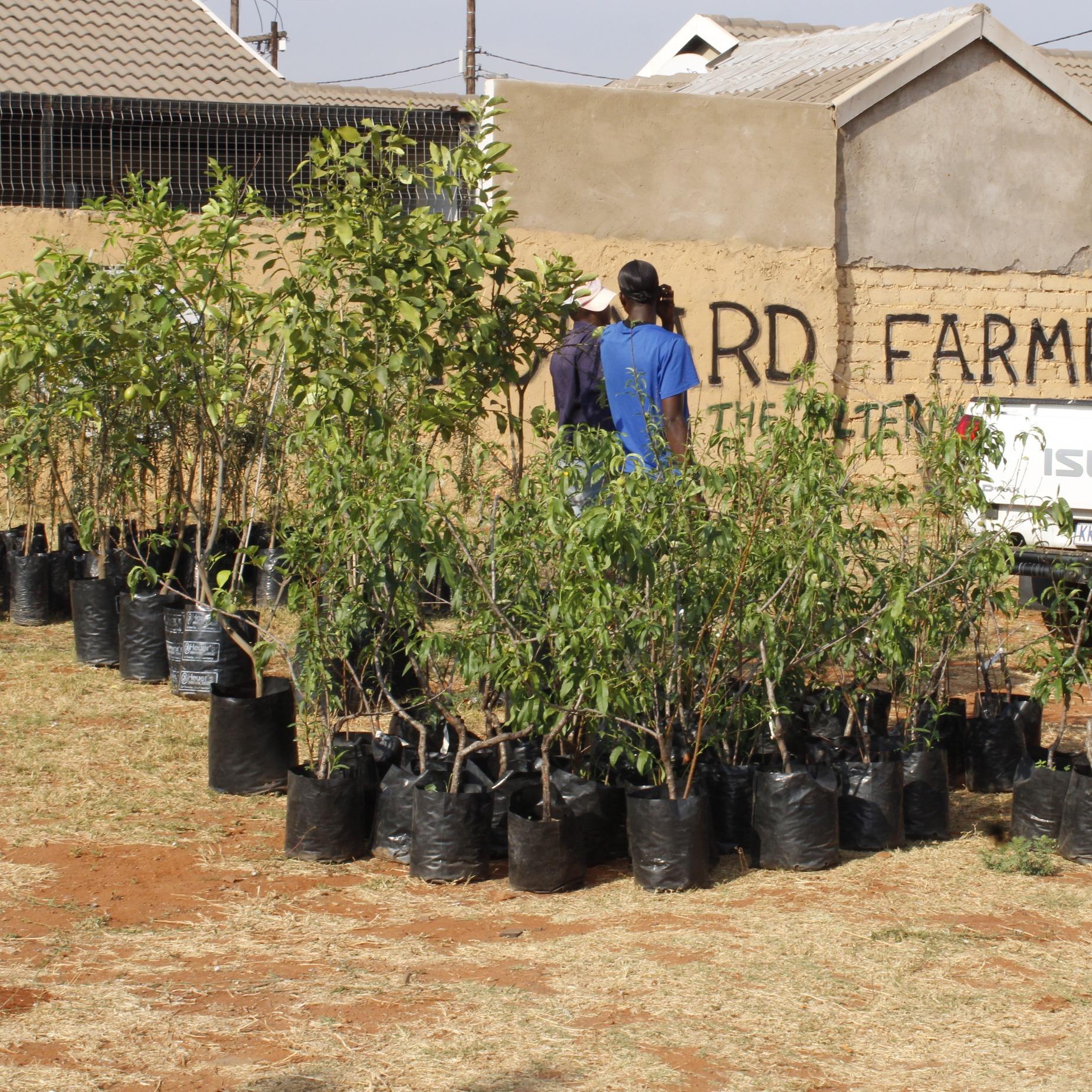
Backyard Farmers’s Community Greening Program transforms neglected public spaces into clean, green environments that restore dignity and community ...
Schools-Recycling Program
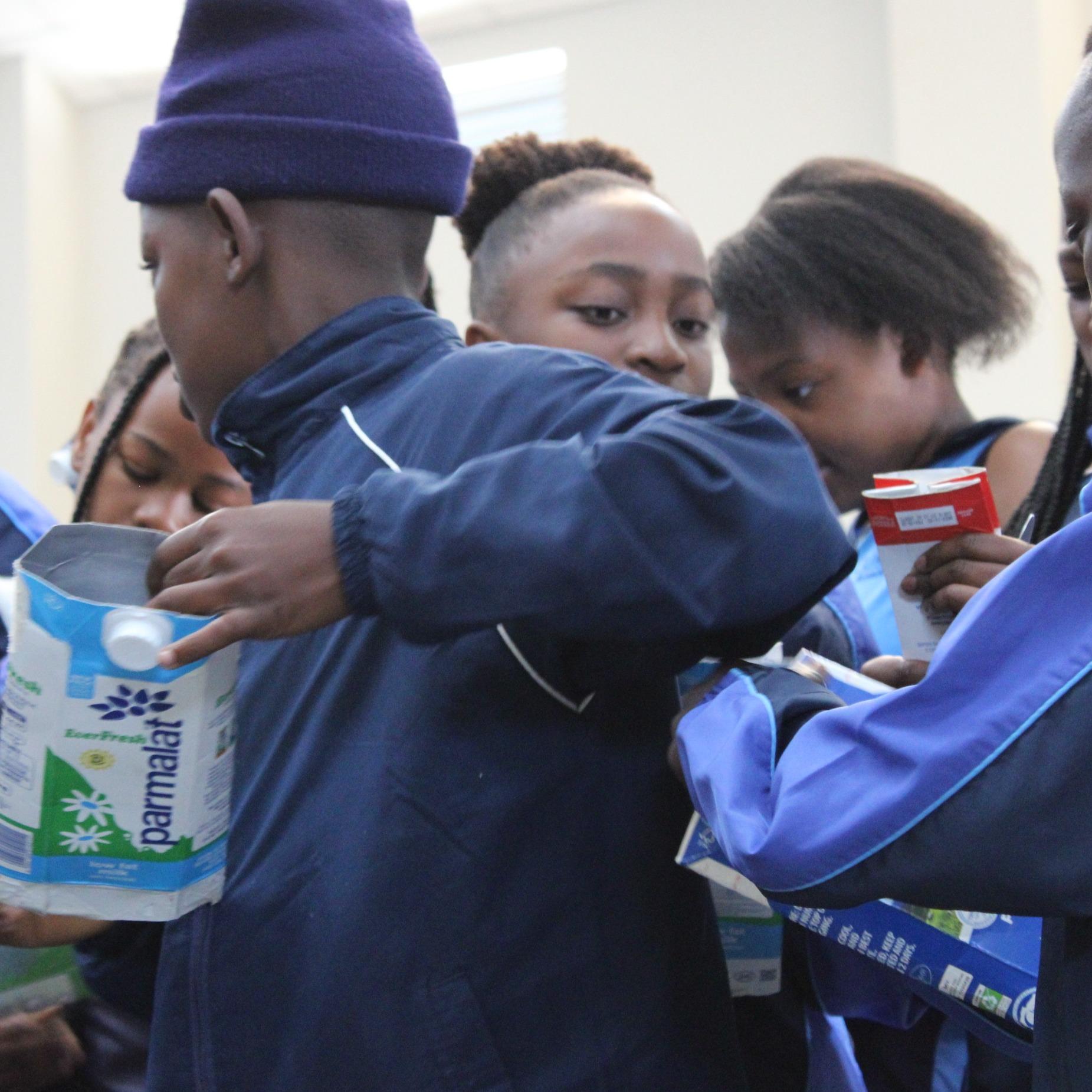
The Schools-Recycling Program promotes environmental responsibility by teaching learners the importance of recycling, waste separation, and ...
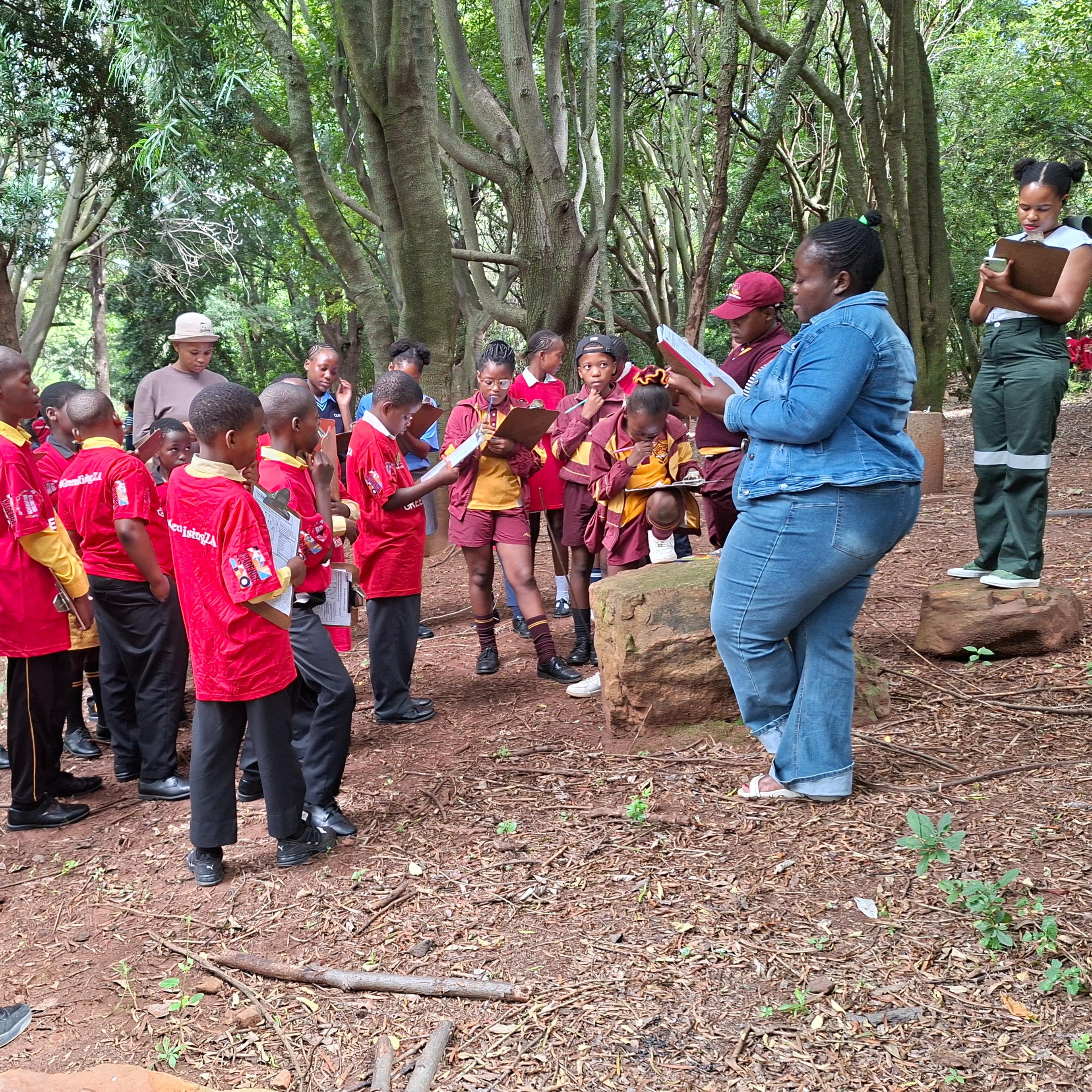
Schools-Environment Program
The Schools-Environment Program empowers learners to become environmental stewards through practical education and sustainability initiatives. The ...
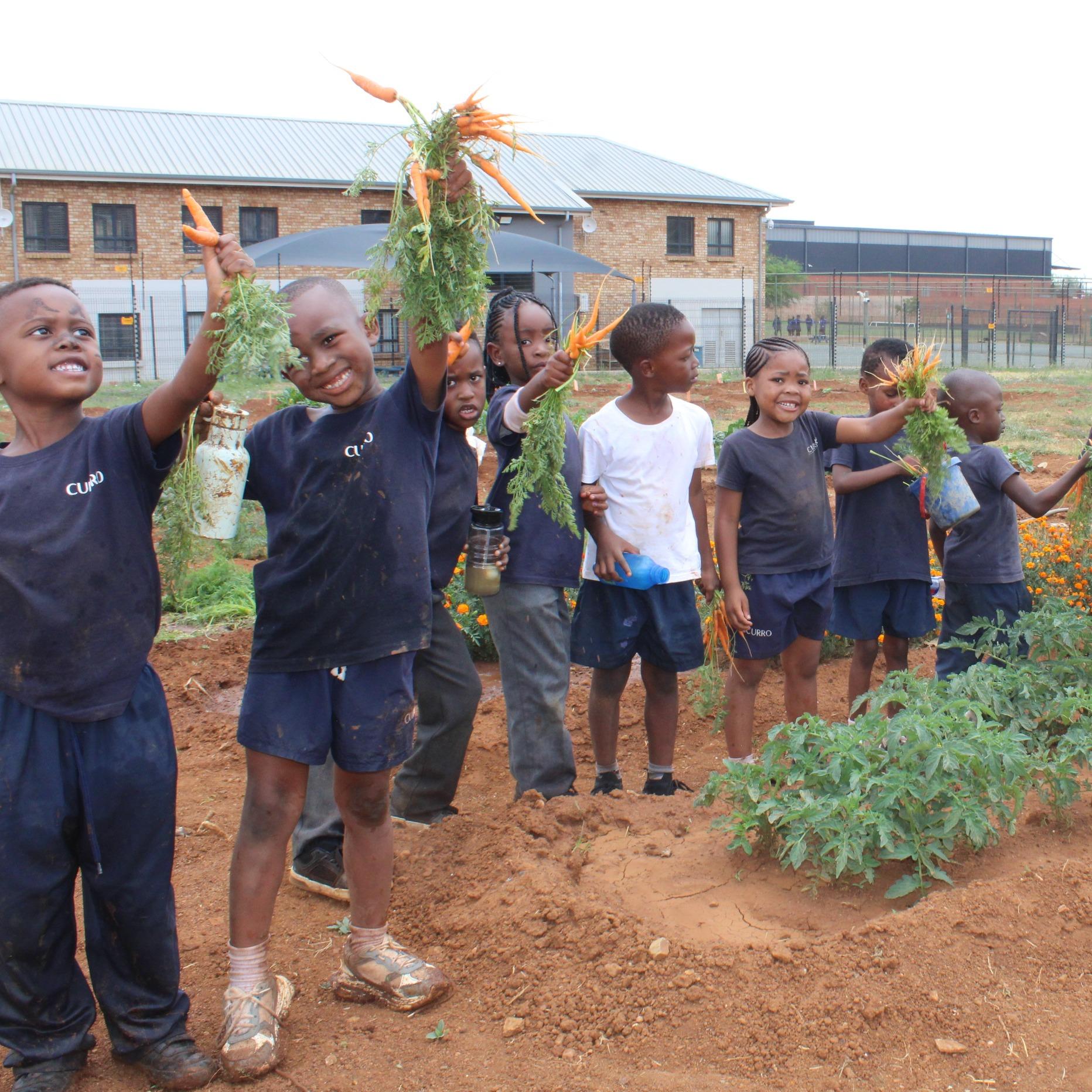
Garden-School Program
Our Garden-School Program empowers learners through sustainable agriculture and hands-on environmental education. By transforming school spaces into ...