Smart Eco-Parks Program
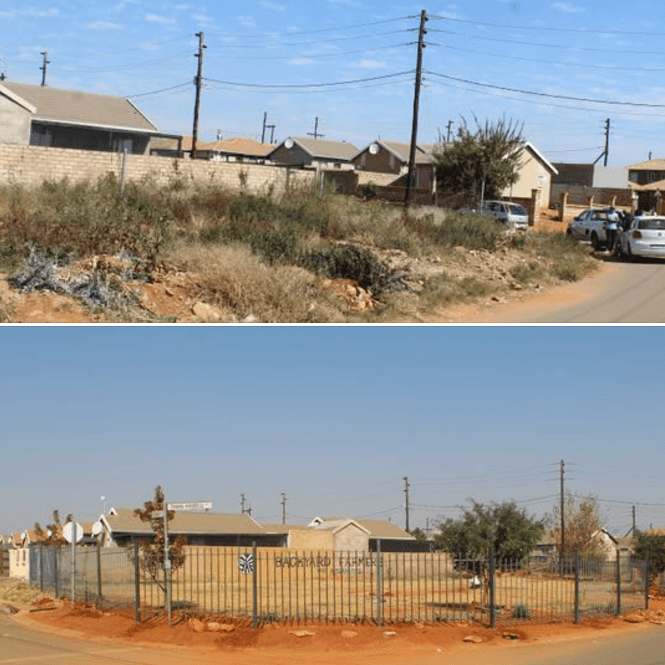
Backyard Farmers' Smart Eco-Parks Program transforms neglected public spaces into sustainable community hubs that promote environmental education, recreation, and social development. Through greening, recycling, eco-friendly infrastructure, and youth participation, the program creates safe and inclusive environments that strengthen community pride while advancing climate awareness and sustainable urban development.
For many years, public parks in underprivileged communities were often overlooked and neglected. Spaces that were meant to bring people together slowly became associated with litter, vandalism, crime, and hopelessness. Children had few safe recreational areas, young people lacked positive community spaces, and environmental awareness remained limited. Backyard Farmers recognised that these challenges were deeply connected. A neglected environment often reflects neglected communities. From this understanding, the Smart Eco-Parks Program was born. The program was developed to transform ordinary public spaces into sustainable community hubs that promote environmental awareness, recreation, education, and social development. Rather than viewing parks as simple recreational areas, Backyard Farmers envisioned spaces that could actively improve community well-being while promoting environmental sustainability. One of the program’s greatest achievements was the transformation of Smart Eco-Park 1, a process that took more than five years of resource mobilisation, planning, partnerships, and community engagement. What was once an underutilised and neglected space slowly evolved into a vibrant eco-friendly environment designed to serve the broader community. The transformation process was not easy. It required persistence, collaboration, and long-term commitment. Community members, volunteers, local stakeholders, and development partners worked together to restore the space and introduce sustainable environmental solutions. The programme incorporated greening initiatives, recycling systems, landscaping, environmental art, and eco-conscious recreational infrastructure designed to encourage both learning and community participation. As the park developed, it quickly became more than just a green space. It became a symbol of possibility. Children began using the area for play and educational activities. Young people participated in environmental campaigns, clean-up drives, and recycling awareness programs. Families started spending time in spaces that once felt unsafe and abandoned. The park created an environment where social connection and environmental responsibility could exist side by side. The Smart Eco-Parks Programme also focused heavily on education and behavioural change. Through workshops, environmental awareness campaigns, and youth participation initiatives, community members were encouraged to take ownership of public spaces and understand the importance of sustainability. Recycling and environmental care were no longer abstract concepts discussed in classrooms — they became visible, practical actions within the community itself. A major strength of the program lies in its ability to combine environmental development with social impact. The parks are designed not only to beautify communities but also to create safer environments, encourage active citizenship, and strengthen community pride. In areas where public infrastructure is often limited, the Smart Eco-Parks provide spaces where people can gather, learn, exercise, and reconnect with nature. The program has demonstrated that environmental transformation can become a powerful tool for community development. A clean and well-maintained park changes how residents view their surroundings and themselves. It restores dignity. It creates hope. It reminds communities that development is possible even in spaces once considered forgotten. Today, the Smart Eco-Parks Program continues to inspire communities to think differently about public spaces and environmental responsibility. Through innovation, sustainability, and community participation, Backyard Farmers is helping build greener, safer, and more connected communities for future generations.
Other stories
Smart Eco-Parks Program
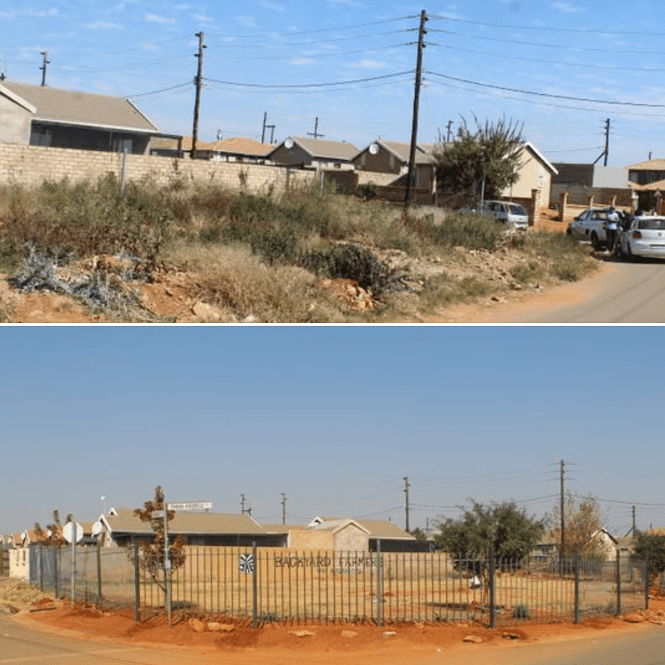
Backyard Farmers' Smart Eco-Parks Program transforms neglected public spaces into sustainable community hubs that promote environmental education, ...
Community Greening Program
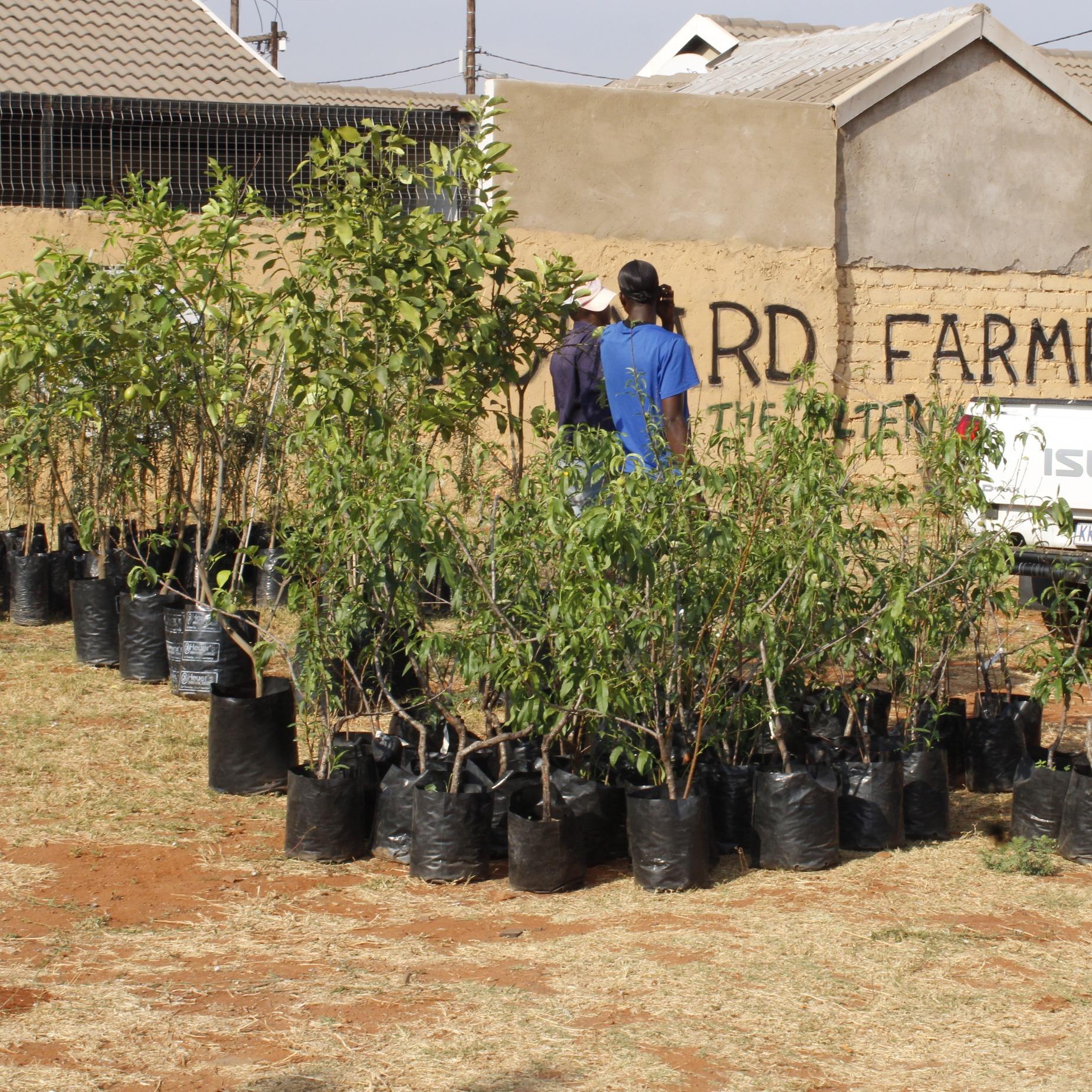
Backyard Farmers’s Community Greening Program transforms neglected public spaces into clean, green environments that restore dignity and community ...

Schools-Recycling Program
The Schools-Recycling Program promotes environmental responsibility by teaching learners the importance of recycling, waste separation, and ...
Schools-Environment Program
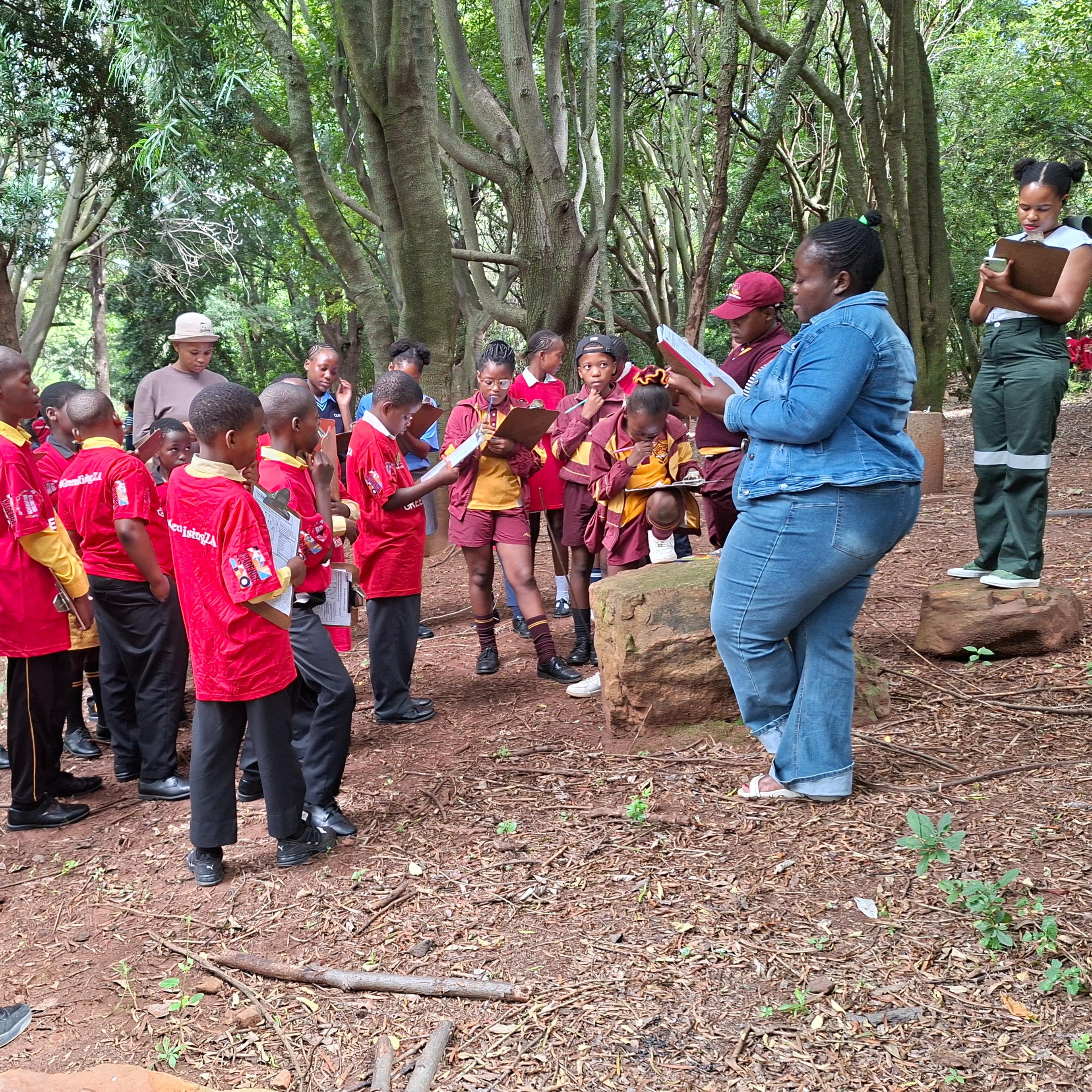
The Schools-Environment Program empowers learners to become environmental stewards through practical education and sustainability initiatives. The ...
Garden-School Program
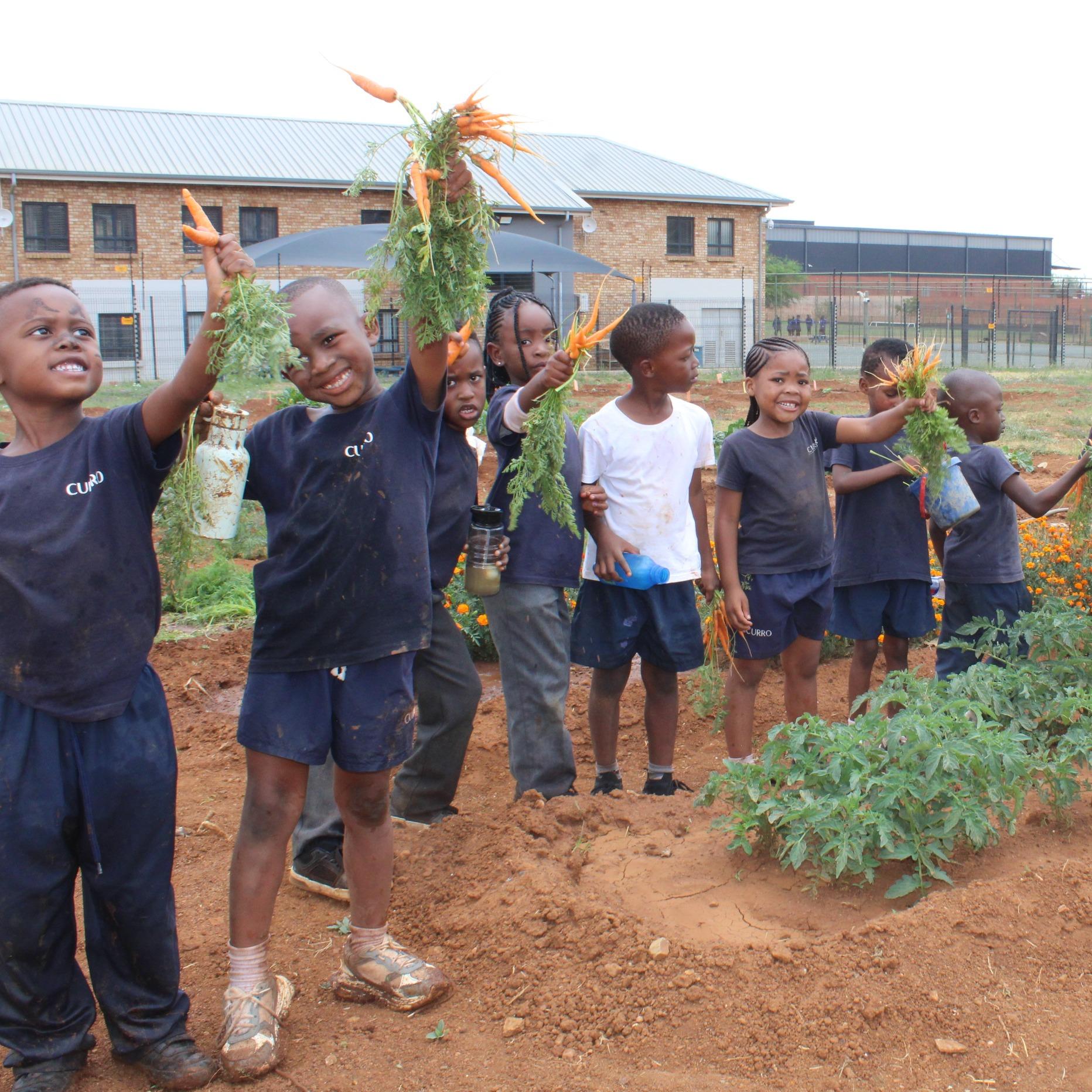
Our Garden-School Program empowers learners through sustainable agriculture and hands-on environmental education. By transforming school spaces into ...