How a Caring Approach Can Make All the Difference
A true story of hope
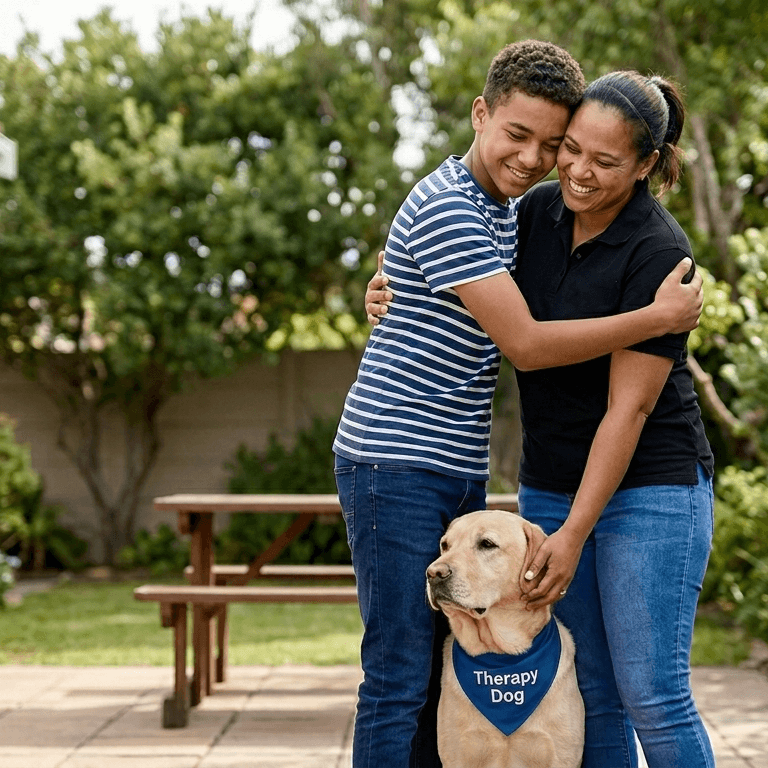
This month, a story emerged that served as a powerful reminder of why social work matters—particularly in moments when the system feels heavy and outcomes seem uncertain. The case involved a teenage boy who had experienced profound trauma and instability throughout his childhood. He had lost his biological mother during the COVID-19 pandemic, witnessed violence within his family environment, and endured several placement disruptions over the years. By the time the matter reached the social worker’s office, he had already developed strong feelings about social workers—and they were far from positive. Before the first meeting, the caregiver explained that the boy was deeply mistrustful of the system. Previous interventions had led to repeated removals from familiar environments, leaving him feeling misunderstood and stigmatised. When the interview took place, the social worker chose to prioritise rapport-building over formal investigation. The conversation focused on everyday teenage topics—his love for animals, interest in history, favourite mobile games, and his ambitions of one day becoming either a defence attorney or a teacher. As the discussion progressed, the boy began to share personal experiences: the loss of his mother, the grief that still lingered, and the frustration and confusion he felt about the instability of his past placements. He spoke about feeling unheard in decisions made about his life. Although he was respectful and engaged, a cautious distance remained. Trust, at that stage, had not yet been established—and understandably so. A few days later, a home visit was conducted. The environment was calm, structured, and nurturing. The caregiver demonstrated a deep understanding of the boy’s trauma, developmental needs, and the importance of ongoing therapeutic support. During the visit, the social worker once again engaged the boy informally, showing him photos and videos of a therapy dog from a recent training session—knowing his fondness for animals. His face lit up, and the interaction became lighthearted and relaxed, a clear contrast to their earlier meeting. When the visit concluded, the caregiver called him to say goodbye. Remembering his initial reservations, the social worker offered a handshake. Instead, the boy stepped forward and gave a one-armed hug. “If we’re doing this, we do it properly,” the social worker said gently. He smiled and embraced with both arms. It was a small moment—but a deeply significant one. This was a child who had entered the process distrusting social workers entirely, yet through consistent, empathetic engagement, had felt safe enough to initiate connection. For the social worker, the gesture symbolised more than rapport. It represented a quiet restoration of faith—not necessarily in one individual, but in the possibility that the system could offer safety, stability, and understanding without causing further disruption. The case concluded with recommendations to formalise the boy’s placement in a stable caregiving environment, provide access to therapeutic services, and secure the statutory support necessary to meet his developmental needs. Yet, beyond the legal and procedural outcomes, the true success of the case lay in something less tangible. A child who felt heard. A child who felt safe. A child who, even briefly, allowed trust to return. In a profession often defined by reports, court orders, and compliance, this case served as a reminder that the most meaningful impact is often found in the quiet restoration of trust—one relationship at a time. This was, ultimately, a story of hope. Support Badisa Trio and help us to create care and hope. Donate today. Click here.
Other stories

When the right support meets compassion, lives can change.
A story of hope.
How a Caring Approach Can Make All the Difference
A true story of hope.

A Happy ending for Anneline
Anneline is 15 years old. She has long brown hair and dark eyes. She doesn’t smile often and is withdrawn. She has distanced herself from her ...

Liam's story of Hope
Liam is a one-year-old little boy with curly blonde hair and eyes as blue as the ocean.

Abigail's Foster Parent journey
Abigail is a friendly and well-mannered little girl. She loves playing with her dolls and eating ice-cream. Her favourite flavour of ice-cream is ...

The road to recovery
It is not easy to live on the streets, especially when you are only 7 years old.

How new borns gave the Poppie Project new life
Thank you to Dr. Wipplinger for the photo of this gorgeous newborn and her Poppie.