Dry January
In South Africa, Dry January is more than a wellness trend — it’s a mental health pause in a country under high emotional and social strain. Alcohol is often used to cope with stress, trauma, and pressure, but it can worsen anxiety, mood, and sleep. Taking a break allows people to notice how alcohol affects their mental health, whether that brings clarity or discomfort.
Dry January in South Africa: More Than a Trend, a Mental Health Conversation In South Africa, alcohol is deeply woven into social life. From braais and weddings to funerals and long weekends, drinking is often seen as the default way to connect, unwind, or cope. For many people, saying no to a drink isn’t just a personal choice — it can feel like pushing against culture, expectation, and sometimes even survival stress. That’s what makes Dry January different here. It isn’t a wellness fad imported from overseas. In South Africa, it’s often a pause taken by people who are tired — tired of financial pressure, emotional overload, family stress, trauma, and the mental health weight that doesn’t magically disappear when the year changes. Alcohol is frequently used to cope with anxiety, depression, grief, unemployment stress, relationship conflict, and burnout. It offers short-term relief but quietly intensifies mental health struggles. Sleep becomes shallow. Anxiety spikes. Emotions feel harder to manage. The cycle continues because many people don’t realise alcohol is contributing to what they’re trying to escape from. Dry January gives space to notice what’s really happening beneath the surface. For some, it brings better sleep, clearer thinking, and improved mood within weeks. For others, it brings discomfort — restlessness, irritability, sadness, or emotions that were numbed by drinking. None of these responses are failures. They’re signals. In South Africa, this matters. We live with high levels of trauma exposure, violence, poverty, and chronic stress. Alcohol misuse often becomes normalised because “everyone is struggling.” But normal doesn’t mean healthy. Dry January opens a conversation about coping, mental health, and support — especially in communities where therapy still feels inaccessible or stigmatised. Importantly, Dry January is not about moralising alcohol use or demanding lifelong abstinence. It’s about choice and awareness. It’s about learning how your mind and body respond without alcohol and deciding what role — if any — drinking should play in your life going forward. For some, Dry January ends in February. For others, it becomes a turning point. Either outcome is valid. What matters is the pause, the reflection, and the honesty that comes with it. In a country carrying so much unseen emotional weight, choosing Dry January can be an act of mental health care. Not loud. Not perfect. Just intentional. And sometimes, that’s where healing starts.
Other stories

Thinking About Online Counselling?
Many people know they need support, but distance, finances, disability, or a busy schedule often stop them from reaching out. At Mustard Seed Tree, ...

The Man Who Said “I’m Fine”
Every morning, Daniel woke up before sunrise, put on his work boots, and carried the weight of the world on his shoulders.
Dry January
In South Africa, Dry January is more than a wellness trend — it’s a mental health pause in a country under high emotional and social strain. Alcohol ...
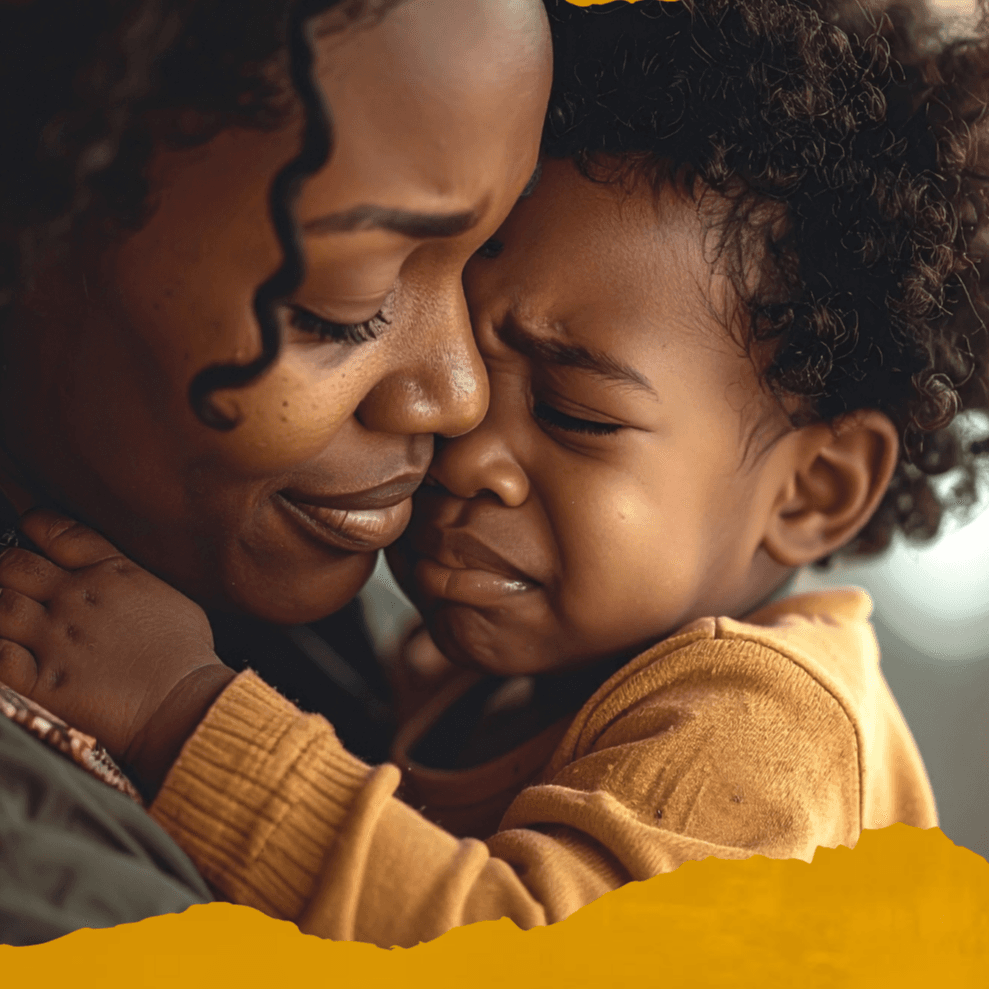
That “Finished” Feeling in December
By the time December arrives, many people feel completely finished. Not lazy. Not ungrateful. Just emotionally and mentally done.
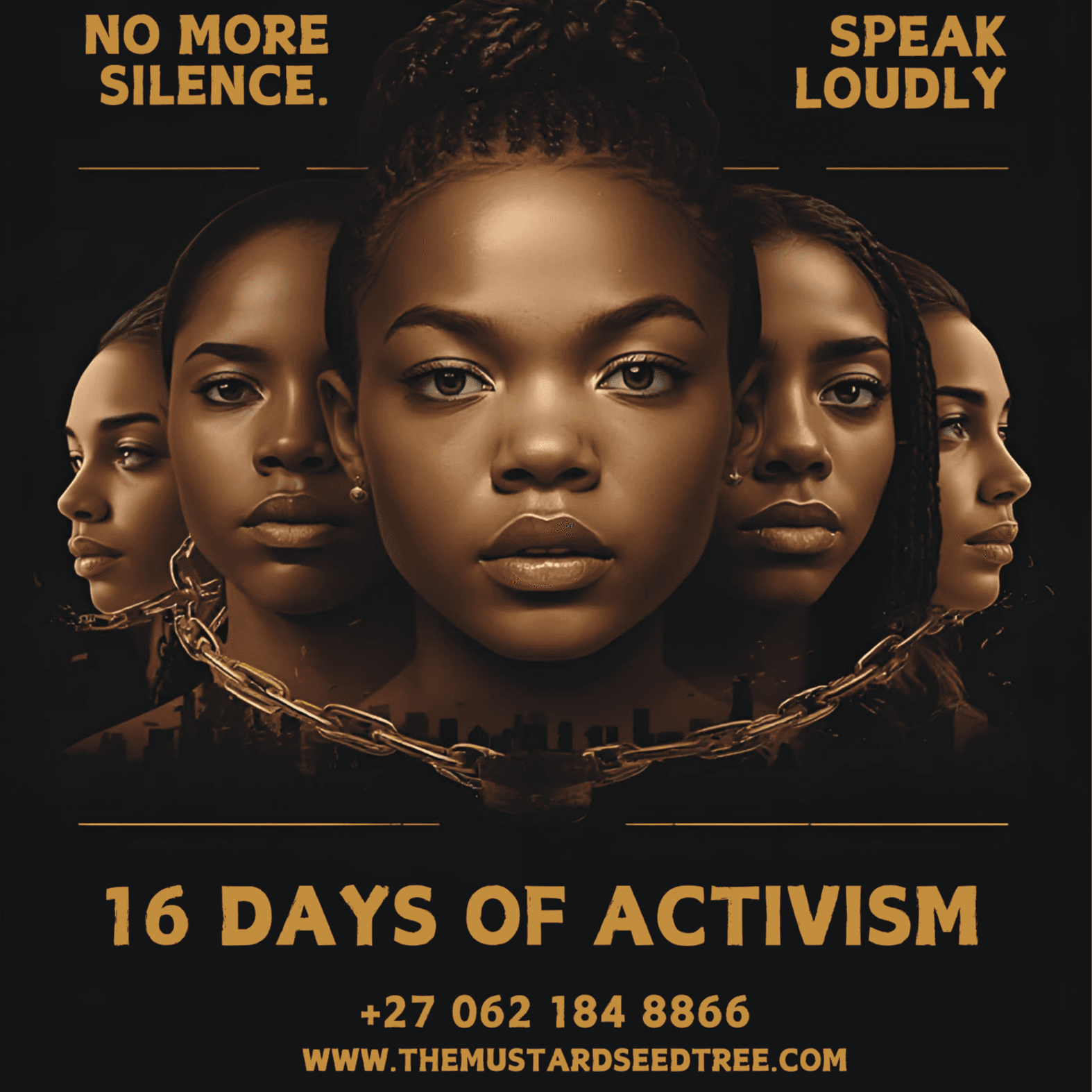
Silence Protects the Abuser
Silence is one of the most powerful weapons used by perpetrators.

Is Enough Being done to Stop GBV?
Is South Africa is truly doing enough to stop gender-based violence (GBV)? Despite awareness campaigns and strong laws on paper, GBV rates remain ...

Are You a Counselling Student Looking to Gain Real-World Experience?
Gain practical experience with us.
Stop Domestic Violence
Help is Here.
September is Suicide Awareness Month
A reminder that checking in on someone can save a life. A simple “How are you, really?” can mean more than you know. Let’s break the silence, end the ...
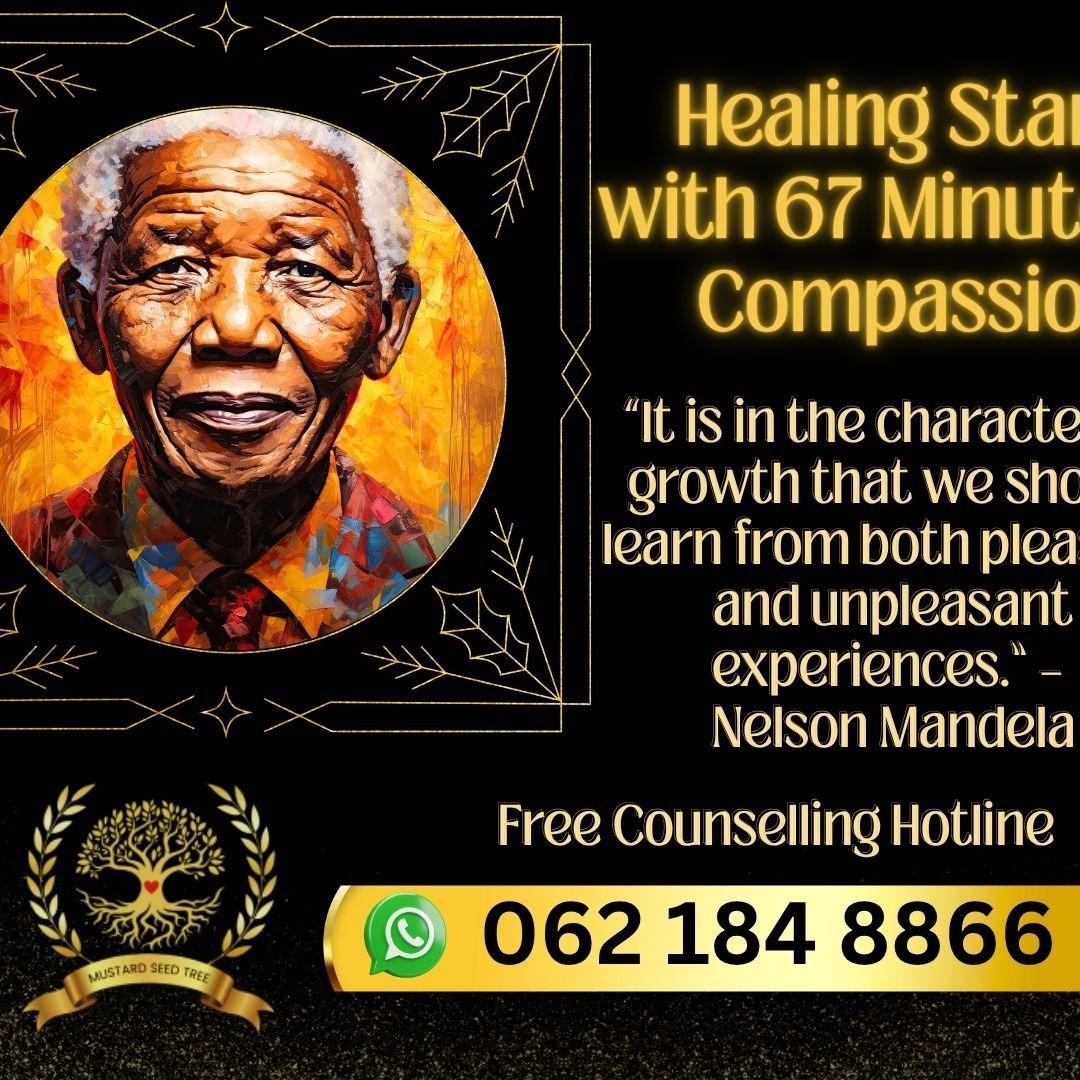
Mandela Day 2025: Healing Starts with 67 Minutes of Compassion 💛
Today, on Mandela Day, we are reminded of the power of kindness, service, and compassion. For 67 years, Madiba devoted his life to fighting for ...

An Open Letter to Every Brave Child Who Leads a Household
We see your strength and pain. While you carry burdens beyond your years, your dreams and feelings still matter. Mustard Seed Tree offers free ...
May Counselling Report
In May 2025, our counsellors provided over 100 sessions — and each one revealed just how heavy the emotional load is for so many people around the ...
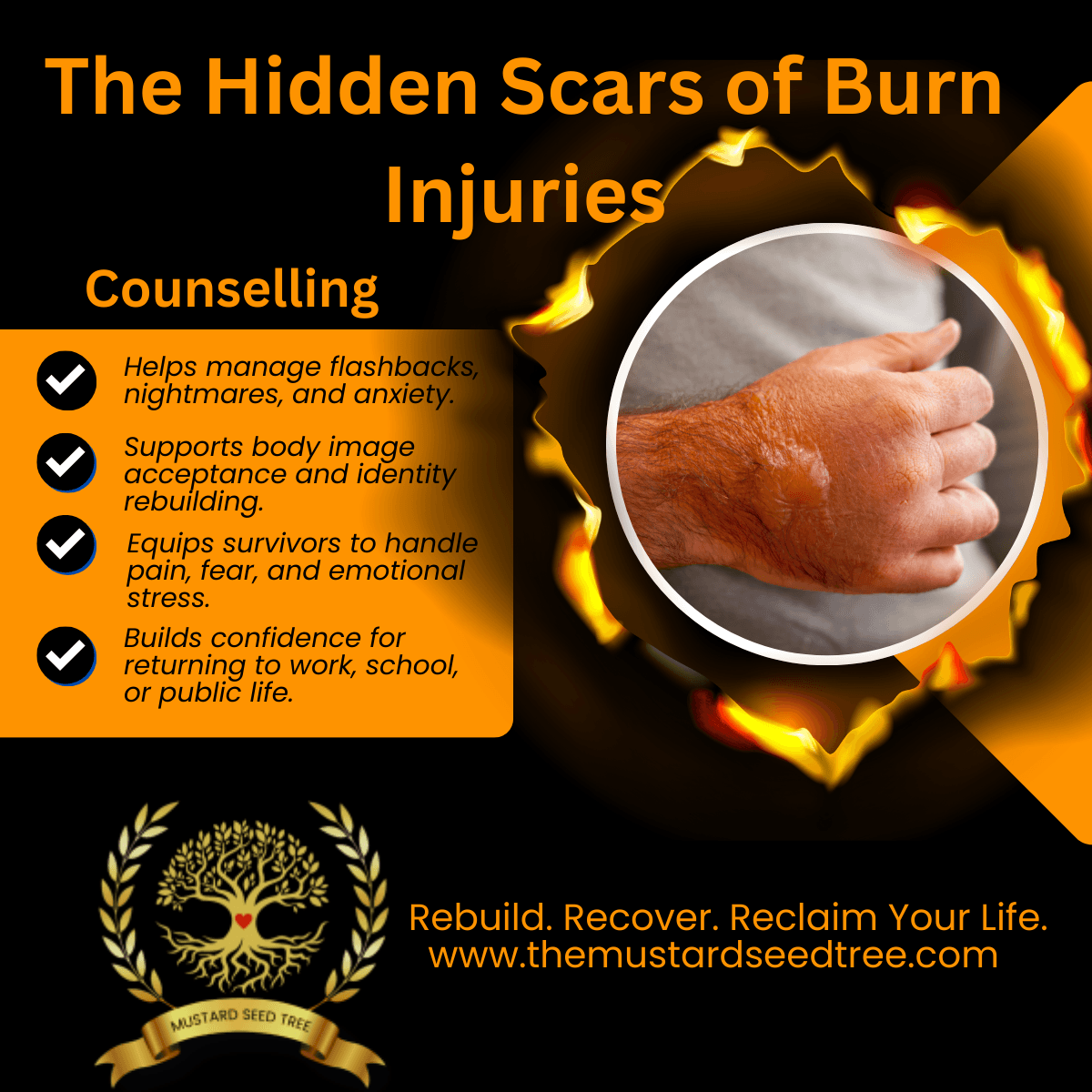
From the 5th to 9th of May, we observe National Burns Awareness Week –
Been through a burn injury — or know someone who has? The scars aren’t always visible. Burn trauma affects the mind as much as the body.

The Importance of love
The Importance of.

Dry January
Dry January and Your Mental Health.

Message From The CEO
To Every Survivor.

Activism encourages involvement
Community engagement in 16 Days of Activism fosters safety and combats GBV.

Mental Health and The Holidays
Mental health during holidays: handle stress, set boundaries, seek support.

16 Days of Activism
16 Days of Activism shines a spotlight on GBV in South Africa.