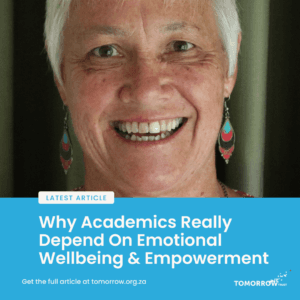
Why Academics Really Depend On Emotional Wellbeing & Empowerment
Meet the movement behind stronger students. At Tomorrow Trust, we believe academic excellence and wellbeing go hand in hand and when students are supported holistically, they don’t just survive, they soar. By Carol Webber, Development Coach at Tomorrow Trust
Today’s fast-paced, high-pressure world, students face more challenges than ever before. The pursuit of academic excellence often comes with stress, anxiety, and emotional fatigue, making it clear that true success goes beyond grades. At Tomorrow Trust, we believe that academic achievement and emotional wellbeing are deeply connected. When students feel mentally, emotionally, socially, and physically supported, they are better equipped to thrive, not just in school, but in life. Understanding Student Wellbeing Student wellbeing is a balance of four key dimensions: Physical health – getting enough rest, staying active, and nourishing the body. Mental health – managing stress, building resilience, and developing a positive mindset. Emotional health – recognising, expressing, and managing emotions in healthy ways. Social health – fostering meaningful relationships, belonging, and community connection. When these elements are in harmony, students become more engaged, focused, and confident in their academic journeys. As the American social reformer Frederick Douglass famously said, “It is easier to build strong young people than to repair broken men or women.” This truth underscores why holistic education, supporting the whole person, must be at the heart of every learning experience. How Students Can Build Their Wellbeing Building wellbeing is a daily, intentional practice. Here are some proven ways students can nurture balance and resilience: Prioritise healthy routines Aim for 7–9 hours of sleep each night. Exercise regularly and eat a balanced diet to boost energy and focus. Stay socially connected Attend face-to-face lectures and join student groups or clubs. Study with peers, confide in a friend, or spend time in nature to recharge. Ask for help early Reach out to psychologists, mentors, lecturers, or campus health professionals. Seek guidance before challenges become overwhelming. Structure your studies Create a realistic schedule and break tasks into manageable goals. Limit isolation and screen time Avoid long hours of social media scrolling or online gaming that disconnect you from reality. Our Commitment at Tomorrow Trust At Tomorrow Trust, we integrate holistic support programmes into every layer of our work. We don’t just equip students with academic tools, we teach them how to use those tools meaningfully, while nurturing self-awareness, resilience, and purpose. By helping students strengthen their wellbeing, we’re not only supporting individual success but also contributing to a healthier, more empowered South Africa. About the Author Carol Webber is a Development Coach at Tomorrow Trust, dedicated to empowering students with the skills and self-awareness they need to thrive both personally and professionally.
Other stories
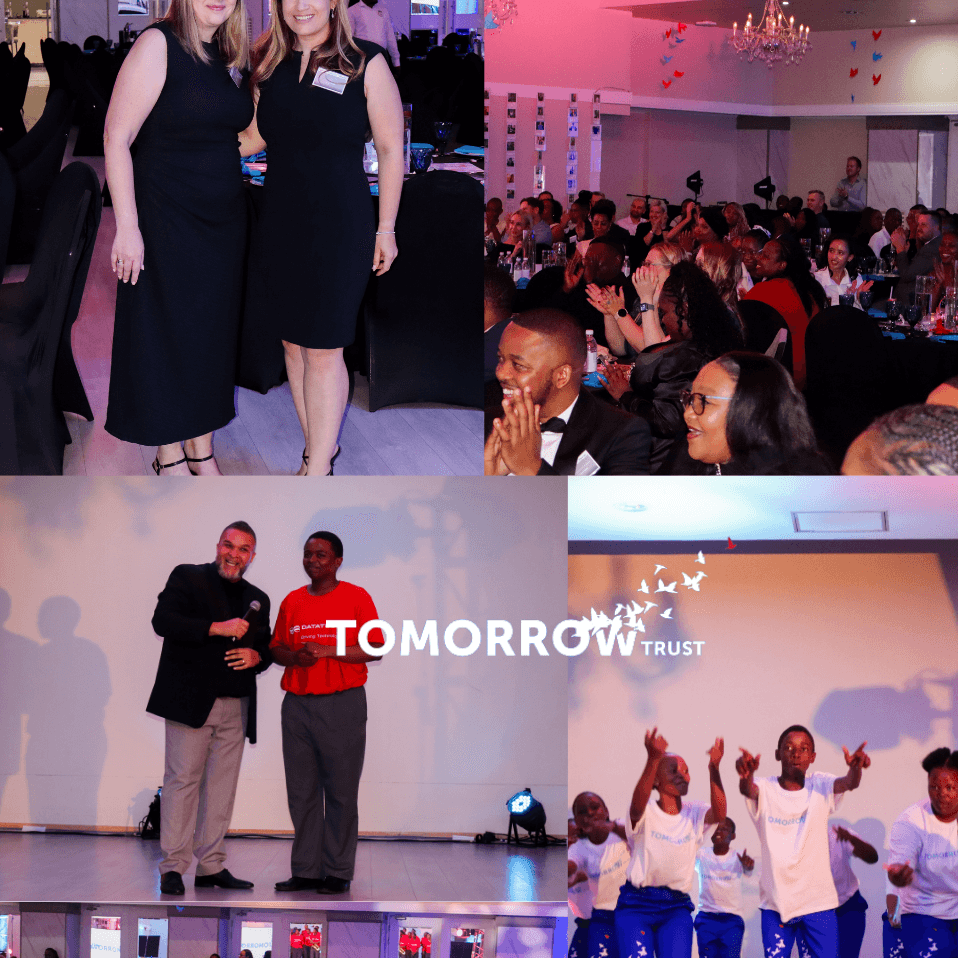
Tomorrow Trust at 20: Two Decades of Humanising Education and Transforming South Africa’s Future
As Tomorrow Trust marked 20 years of holistic education last year, we came together with our partners at a gala dinner to honour the journey. It was ...
Why Academics Really Depend On Emotional Wellbeing & Empowerment
Meet the movement behind stronger students. At Tomorrow Trust, we believe academic excellence and wellbeing go hand in hand and when students are ...
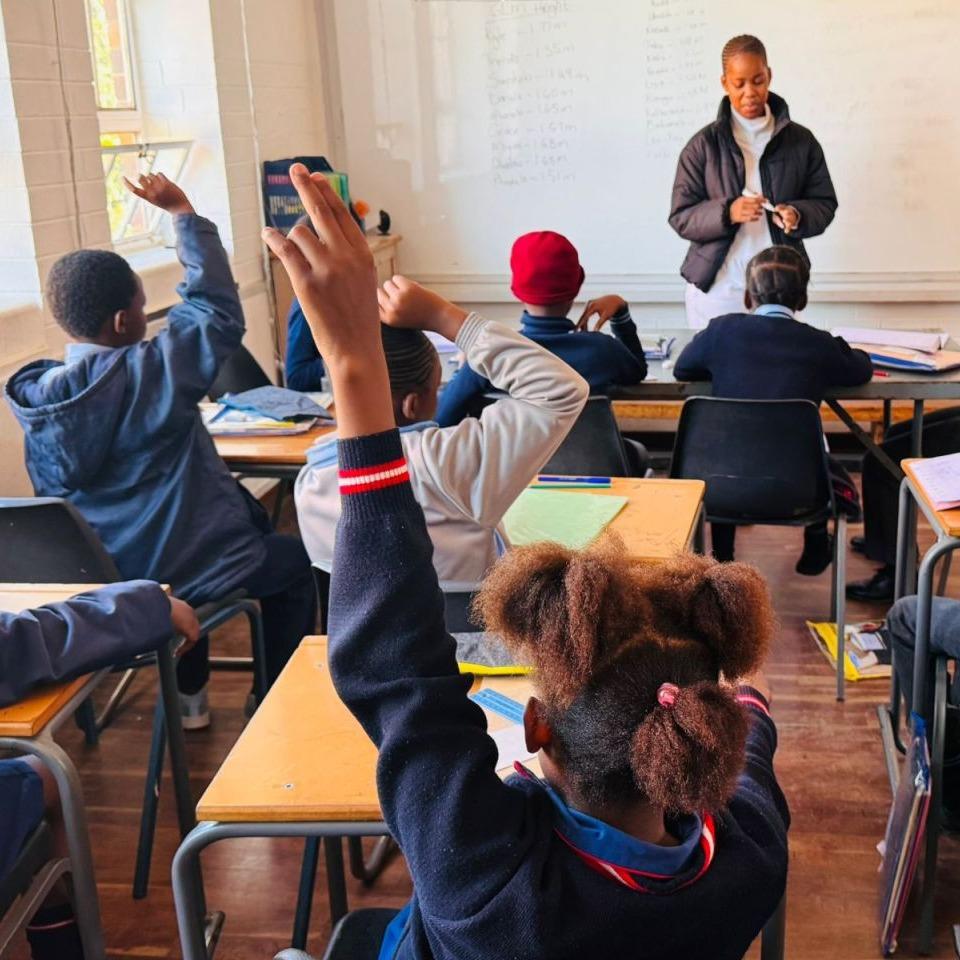
Holiday and Saturday School Programmes
A heartfelt thank you to all the incredible schools that open their doors to Tomorrow Trust to host our Holiday and Saturday School programmes. 💙.
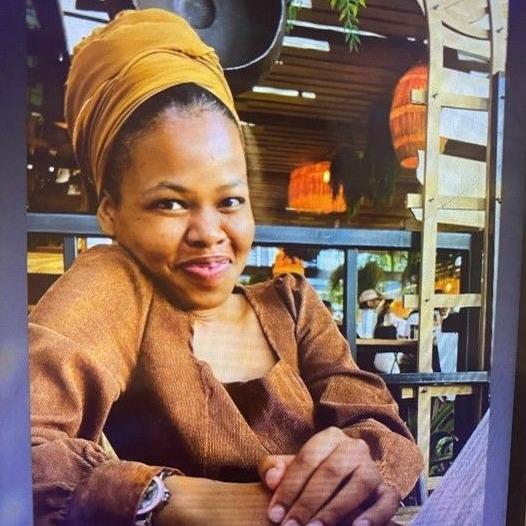
Student Spotlight - Brunette Molobi
Meet Brunette Molobi – a 21-year-old powerhouse and an Honours student in Industrial Engineering at the Tshwane University of Technology. She's not ...

Culture Building in the NPO Space
Taryn Rae, CEO at The Tomorrow Trust, shares insights on culture building.

Alumni Success Story: Rochell
A story highlighting the academic journey of an accounting graduate.
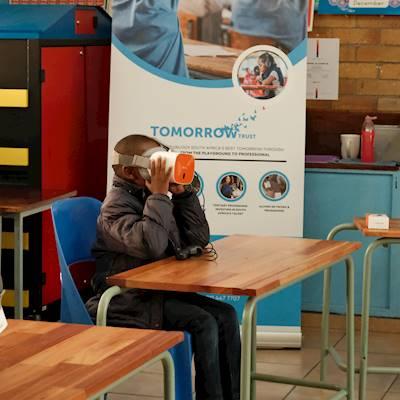
Introducing Virtual Reality
One of our main objectives is to close the gap in education .
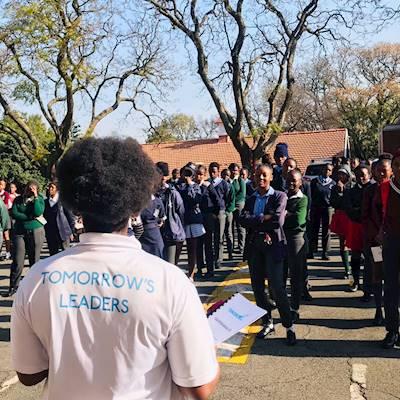
Tomorrow Trust Saturday School
Highschool spelling BEE competition.

Alumni stories - Mbavhalelo
Bachelor of Pharmacy || University of the Witwaterstrand || 2019.

Alumni testimonials - Vincent
LLB || University of Johannesburg || 2017.

Alumni testimonials - Tatenda
Bachelor of Science (Computer Science and Informatics) || University of Johannesburg || 2017.

Tertiary testimonials - Chuma
Bachelor of Medicine and Bachelor of Surgery || Stellenbosch University.
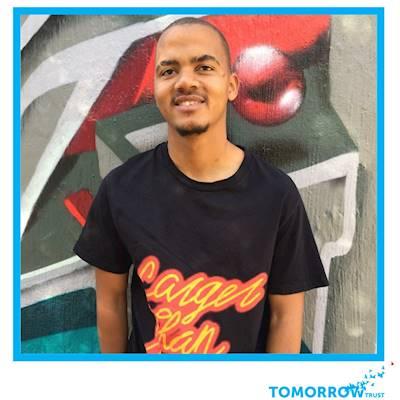
Tertiary testimonials - Benny
LLB Law || University of the Witwatersrand.

Tertiary testimonials - Maranatha
Bachelor of Commerce Honours (Information Systems) || University of the Witwatersrand.