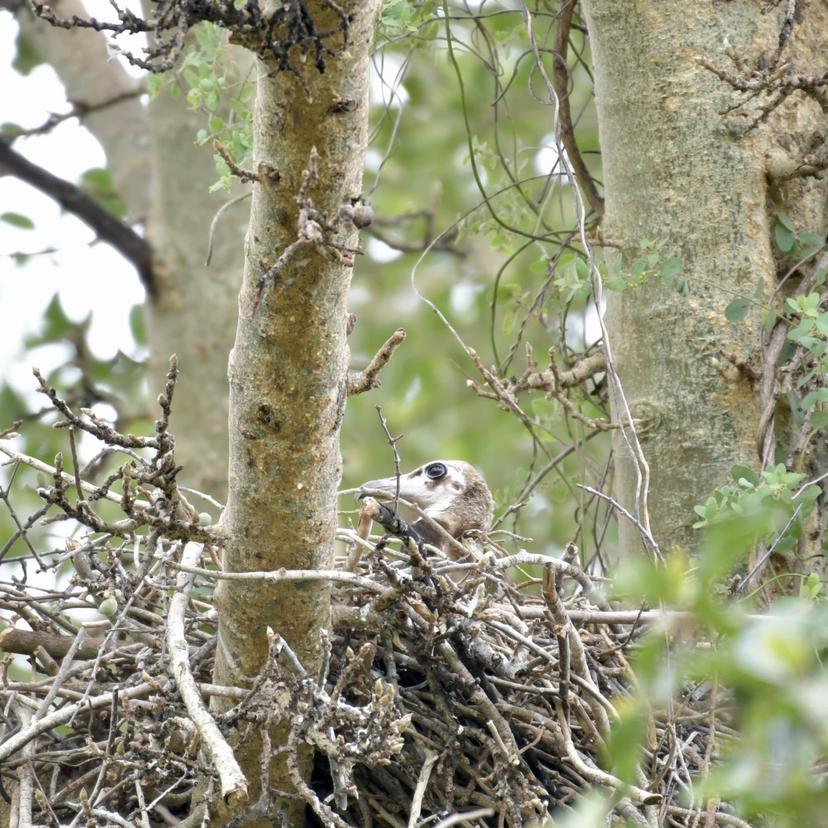
A Conservation Milestone for KwaZulu-Natal: First Hooded Vulture Nest Found in the province
Vultures in South Africa face unprecedented challenges, yet a landmark discovery in KwaZulu-Natal offers new hope. During the 2025 Zululand Vulture Project Aerial Survey, conservationists confirmed the province’s first active Hooded Vulture nest. Excitingly, this is the southernmost breeding site ever recorded for the Critically Endangered species, expanding the known breeding range and providing vital new data to guide conservation efforts.
Wildlife ACT, in collaboration with Ezemvelo KZN Wildlife, The Bateleurs and pilot Martin Schulze, recently conducted a helicopter-based vulture survey across key areas of Zululand. The operation, which takes place every five years, complements Ezemvelo KZN Wildlife’s fixed-wing surveys and Wildlife ACT’s ground-truthing efforts. Preliminary results showed a slight increase in Lappet-faced Vulture nests in Hluhluwe-iMfolozi Park, growth in some African White-backed Vulture colonies and once again no White-headed Vulture nests were found, a pattern first confirmed in 2018 and unfortunately consistently observed since. However, it is the the discovery of a single active Hooded Vulture nest with a large chick that stood out as a moment of historic importance. Considerable effort has gone into locating active vulture nests across KwaZulu-Natal in the past, making this confirmation all the more significant. It marks the first active Hooded Vulture nest ever confirmed in the province. The 2025 survey was expertly coordinated by Chris Kelly and Anel Swart of Wildlife ACT, and Brent Coverdale of Ezemvelo KZN Wildlife, with vital support from The Bateleurs, Shiptech, Ford Wildlife Foundation, Dry Creek Foundation, Briandez Legacy Trust and Happy Hollow Foundation. The role of private landowners is critical. Many vulture nests in KwaZulu-Natal fall outside formally protected areas, which means their survival depends on the willingness of landowners and farmers to safeguard breeding sites and allow conservation teams access for monitoring. By protecting habitat, reporting suspicious activity and supporting safe food sources, private landowners play a direct role in keeping populations stable. The discovery of this Hooded Vulture nest is an important reminder of how valuable community collaboration is for the conservation of these endangered birds. When Kayleigh Huysamen, Wildlife ACT’s Educational Content Specialist, and her family first suspected that Vultures were nesting on their property in Northern Zululand, KwaZulu-Natal, they reported it and committed to monitoring the site. They are incredibly excited now that the nest has been confirmed to be an active Hooded Vulture nest - the first of its kind recorded in the province. The discovery adds weight to South Africa’s Biodiversity Management Plan for Vultures, gazetted in 2024, which sets out national actions to halt declines and recover populations. Wildlife ACT Co-Founder Chris Kelly and Brent Coverdale contributed to the drafting of the plan, and these organisations continue to support its implementation at provincial level. The 2025 aerial survey represents a significant milestone for vulture conservation in KwaZulu-Natal. The confirmed Hooded Vulture nest highlights the importance of long-term monitoring, collaboration, and community involvement in protecting South Africa’s most threatened birds. The data from this survey will guide conservation strategies in the months ahead. Its success underscores the importance of collective action, with conservationists, landowners, and communities all playing a role in ensuring vultures remain part of South Africa’s natural heritage.
Other stories
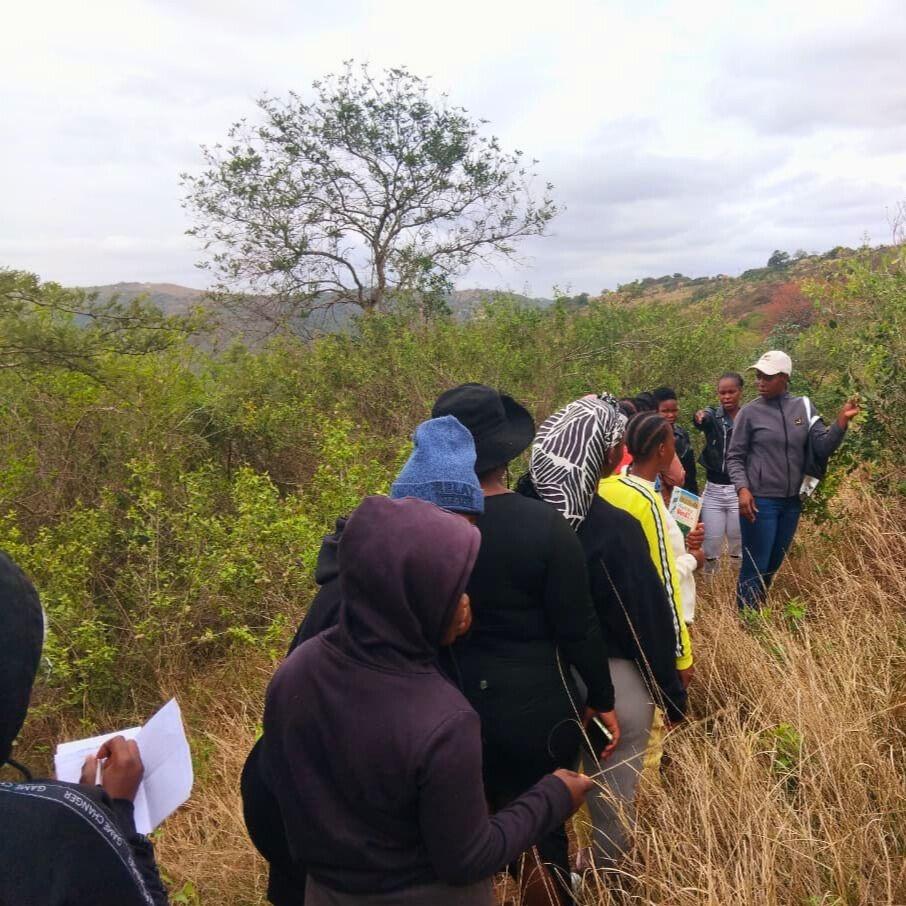
Empowering Communities Through Education and Immersive Experiences in Nature
An important part of Wildlife ACT’s work involves community-based conservation through our Community Conservation Programme (CCP). Through this ...
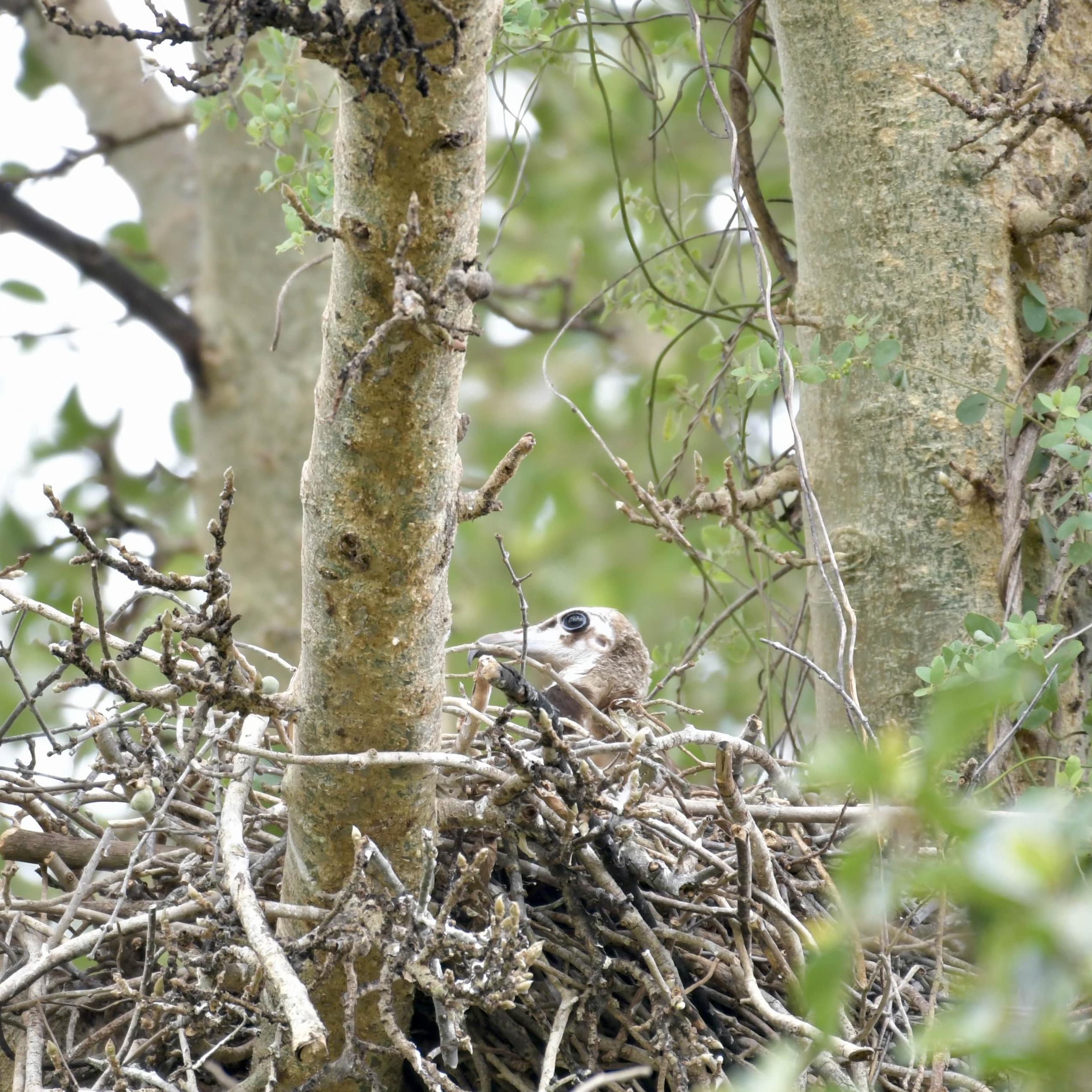
A Conservation Milestone for KwaZulu-Natal: First Hooded Vulture Nest Found in the province
Vultures in South Africa face unprecedented challenges, yet a landmark discovery in KwaZulu-Natal offers new hope. During the 2025 Zululand Vulture ...
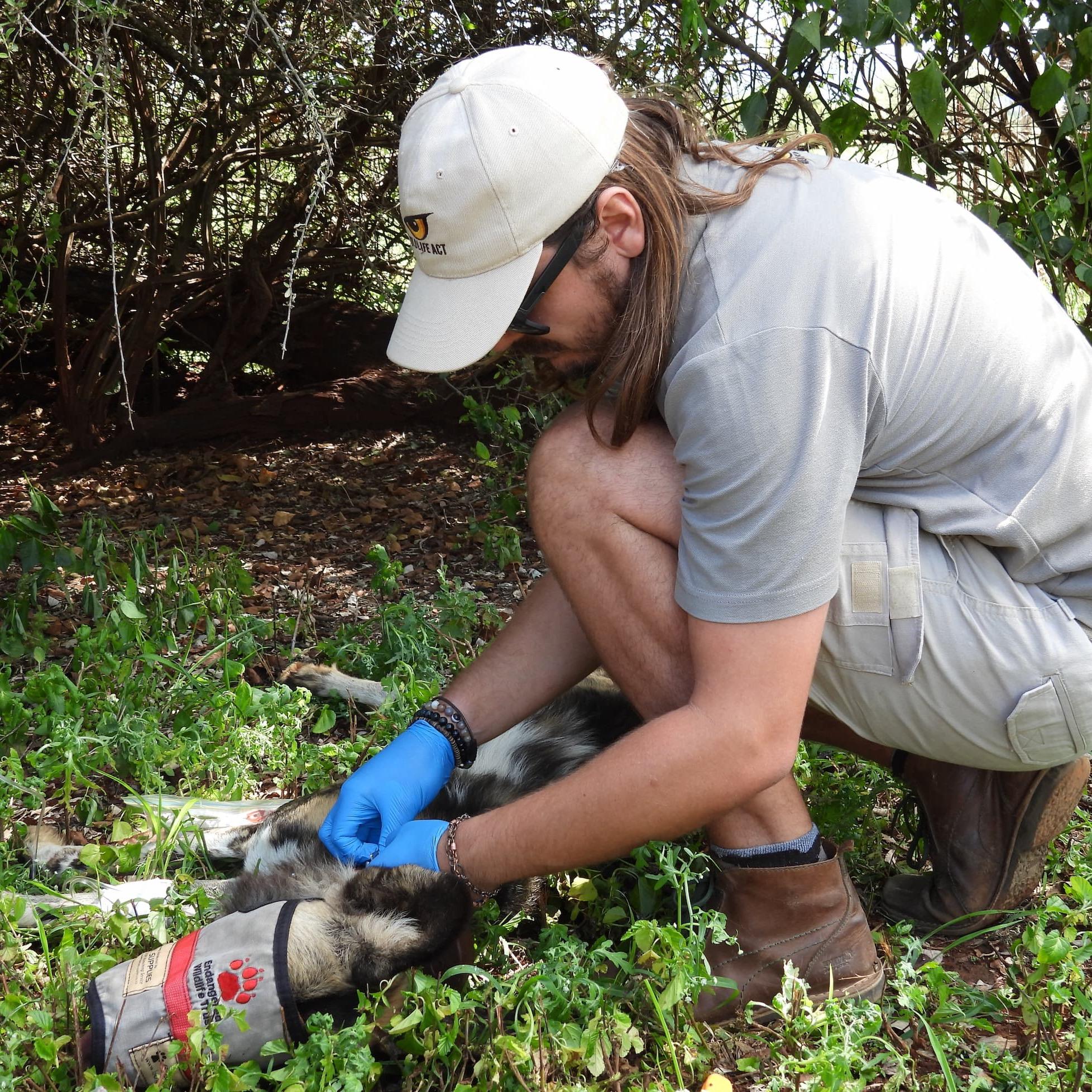
African Wild Dogs reintroduced to Zimanga Private Game Reserve in KwaZulu-Natal
In a significant step forward for African Wild Dog conservation in South Africa, a new pack has been successfully reintroduced onto Zimanga Private ...