Help Cape Mental Health - CMH by donating food, blankets and toiletries for children, women and men with disabilities.

category
Disability, Seniors & Care
sub-category
Special needs education support
How can you help?
Help Cape Mental Health - CMH by donating food, blankets and toiletries for children, women and men with disabilities.
Here's a little more info about this opportunity...
It is estimated that about 1 to 4% of the population is affected by intellectual disability in varying degrees. This condition is not an illness; it is permanent and cannot be cured. Intellectual disability can be caused by health problems, genetic conditions, environmental factors, and problems during pregnancy and birth. It can be a factor in conditions such as autism spectrum disorder, Down syndrome, Fragile X syndrome, fetal alcohol syndrome (FAS), and Prader-Willi syndrome. Intellectual and adaptive difficulties usually begin in early childhood. Parents and caregivers may start to notice a delay in language or motor skills by the time their children reach the age of two, and then need to take their children to a healthcare professional for further observation. People with intellectual disability disproportionately experience more health problems than the general population and face discrimination and socio-economic exclusion. Cape Mental Health promotes knowledge of intellectual disability through our annual Intellectual Disability Awareness Campaign held in March. We challenge the stigma surrounding intellectual disability by calling on society to change its mind set about people with intellectual disability and their right to inclusion in the home, community and society. We are recognised as a leading organisation in providing Special Education & Care Centres to meet the special needs of children with severe to profound intellectual disability and will continue to do so until these learners are integrated into schools run by the Western Cape Education Department in accordance with the Right to Education court ruling of November 2010. Sadly, the children at our SECCs cannot access State-run schools because of the severity of their disability and they are therefore denied the benefits that the Department of Basic Education (DBE) provides to other learners. By being excluded from the national learner database, they are excluded from the National School Nutrition Programme (NSNP), the Integrated School Health Programme (ISHP), and exemption from paying school fees, which all promote health, school attendance and ongoing learning. The very system that should uphold their right to education and inclusion enforces their segregation and exclusion. As long as children with severe to profound intellectual disability are denied access to inclusive education, NGOs such as Cape Mental Health will continue to carry the costs of providing special education and care services to these children.
Sustainable Development Goals
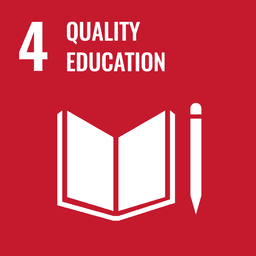
Quality Education
Ensure inclusive and equitable quality education and promote lifelong learning opportunities for all
Similar opportunities





Helpful tips
Stay safe
- 1. Don’t pass any personal information to people you haven’t met offline before.
- 2. When meeting one of your contacts offline for the first time, always be sure to arrange to meet in a public place.
- 3. Make sure that you are not left alone with someone that you have never met before.
- 4. Know where you’re going. If you’re headed off the beaten track or into an unfamiliar part of town, be sure you have directions and a GPS or map book.
- 5. If you feel unsafe, consult the person in charge and let him or her know.
- 6. Avoid wearing expensive jewellery: it could get damaged, lost or stolen.
- 7. Ask, ask, ask! If you’re worried about something or concerned about your safety in a certain situation, ask the person in charge.
