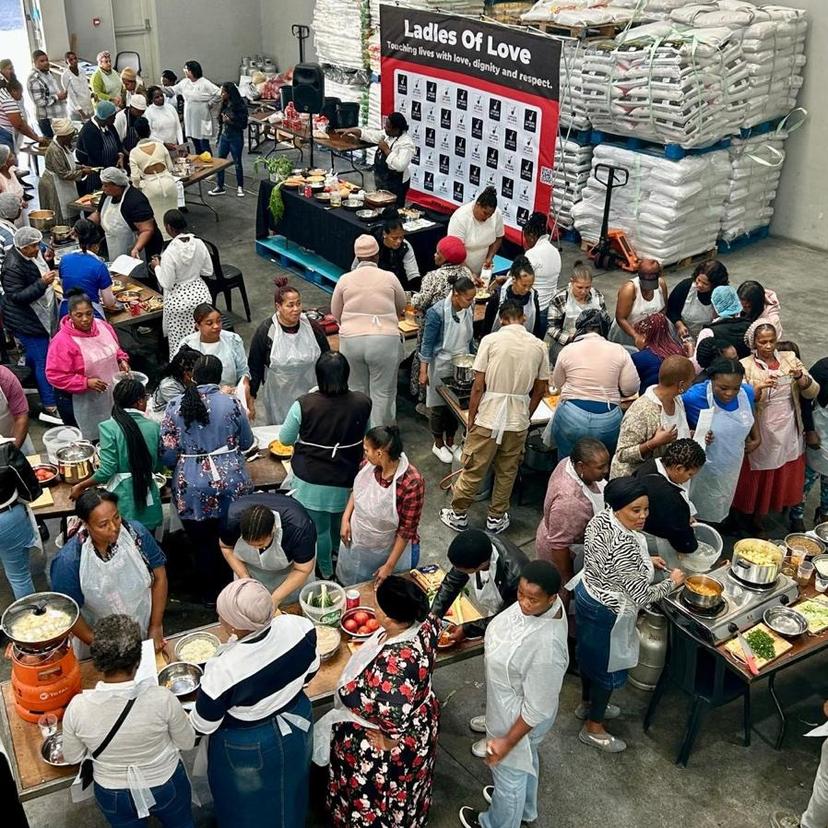
From Knowledge to Nourishment: How nutrition training is transforming ECD centres
Quarterly we provide capacity building workshops to principals, practitioners and cooks at our local early childhood development centres. To empower the carers of the little ones in our ECD's, we ensure that children have access to very best in nutrition because their carers understands the importance of a balanced meal, checking for signs of malnutrition and being intentional about ensuring no child is left behind.
At the heart of every Early Childhood Development (ECD) centre is a simple truth: children cannot learn, grow, or thrive without proper nutrition. Yet for many centres in under-resourced communities, providing balanced, nutritious meals has long been a challenge due to limited budgets, lack of training, and entrenched food habits. The Nourish Our Children programme recognised early on that food provision alone was not enough — sustainable impact required knowledge, skills, confidence, and accountability at centre level. The nutrition training workshops have become a cornerstone of this approach, transforming not only how food is prepared and served, but how principals, practitioners, and cooks understand their role in child development. For principals, the workshops reframed nutrition as a core leadership responsibility rather than a kitchen task. They gained a deeper understanding of how nutrition affects cognitive development, immunity, behaviour, and long-term learning outcomes. Equipped with monitoring tools and data, principals are now better able to identify risks, support staff, and ensure consistent menu implementation. Nutrition has become visible, measurable, and central to centre management. Practitioners, who observe children daily, learned to link nutrition with learning and behaviour. The training helped them recognise early warning signs of malnutrition and understand how inadequate diets impact attention, energy levels, and emotional regulation. This shifted responses from discipline to empathy and early intervention. Practitioners now actively support mealtimes, encourage healthy eating habits, and contribute meaningfully to monitoring children’s progress. Cooks experienced one of the most powerful transformations. Often undervalued and undertrained, they were empowered to become nutrition champions. Through practical training and cooking demonstrations, cooks gained confidence in preparing balanced meals, using seasonal menus, and preserving nutritional value. Pride, ownership, and consistency increased, food waste decreased, and children began enjoying meals they might never have been exposed to at home. The impact on children has been tangible. Centres report improvements in weight gain, growth patterns, skin conditions, energy levels, and attendance. Children identified as undernourished or overweight are referred to clinics, meals are adjusted according to need, and follow-ups show measurable progress. Nutrition monitoring is no longer a reporting exercise but a learning tool that informs real-time decisions. Perhaps most importantly, the workshops have created a culture shift. Nutrition is now a shared responsibility, strengthening teamwork and accountability across centres. Principals, practitioners, and cooks work together with a shared understanding that food is foundational to learning and dignity. By investing in people — not just ingredients — the Nourish Our Children programme has built a sustainable, scalable model that changes systems and lives. What begins in the kitchen carries through the classroom and into a child’s future. One meal at a time, knowledge is being turned into nourishment, and nourishment into opportunity.
Other stories
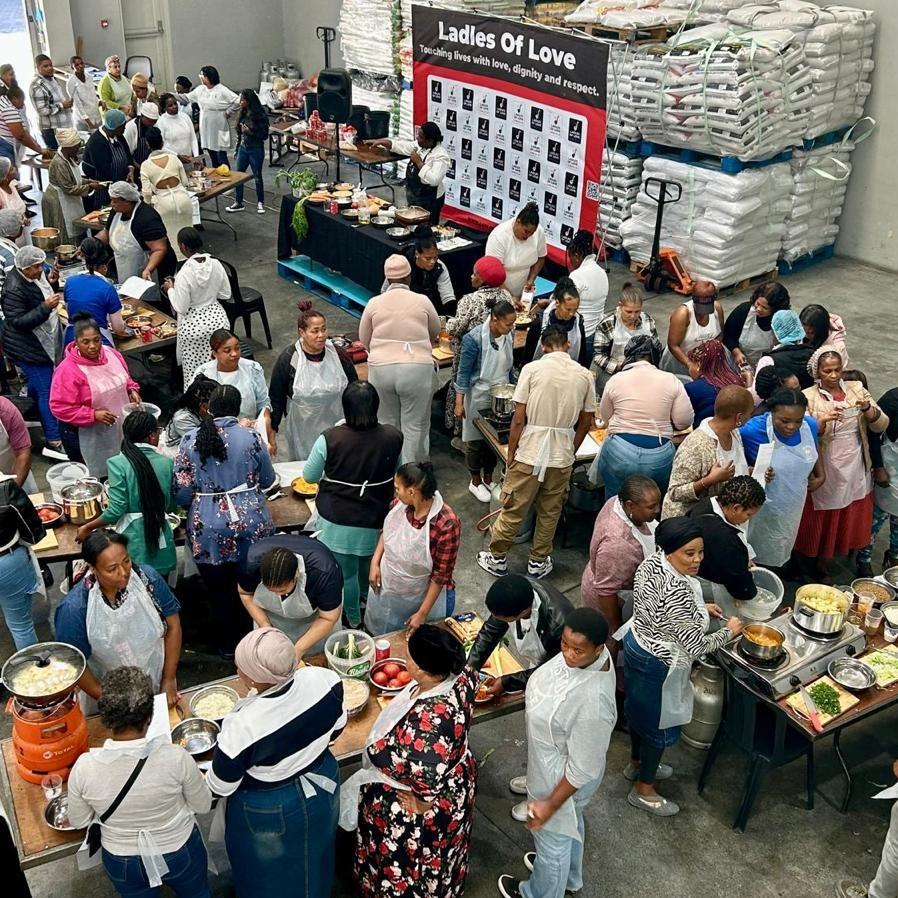
From Knowledge to Nourishment: How nutrition training is transforming ECD centres
Quarterly we provide capacity building workshops to principals, practitioners and cooks at our local early childhood development centres. To empower ...
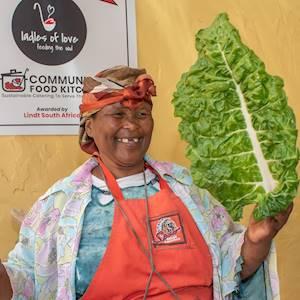
How You Can Help Implement Sustainability
We have since visited farms struggling in Gugulethu and thriving urban farms in Cape Town city . We are still currently out on the field every week ...
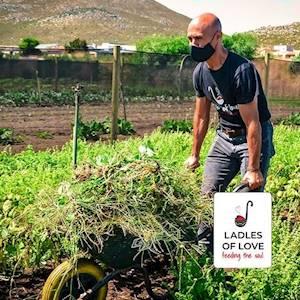
Appeals for donations for community farms to prosper
Charity organisation Ladles of Loves has launched a new initiative aimed at creating more sustainable urban farming projects in Cape Town.

GQ Humanitarian Award of the year
Our founder was contacted by GQ and said he one the GQ Humanitarian Award of the year.