Skills-Based Volunteering: Not Charity, but a Smarter Way to Grow People
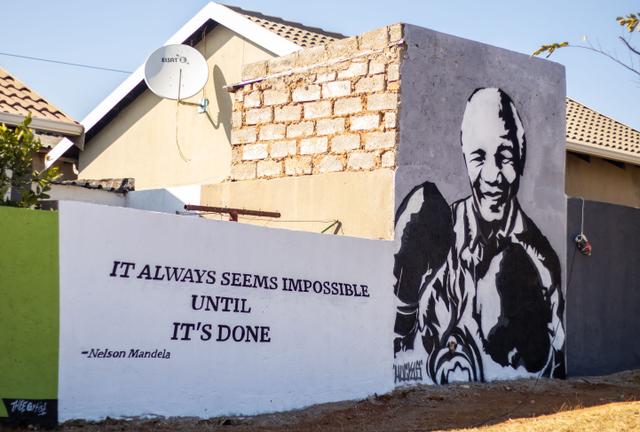
For too long, corporate volunteering has been boxed into the world of “doing good” — a Mandela Day activity, a team outing, a few hours logged, a photo taken and then back to business as usual.
But South African companies are starting to ask a better question: what if volunteering was not only good for communities, but also good for building better teams, better leaders and more capable organisations?
That is where skills-based volunteering becomes powerful.
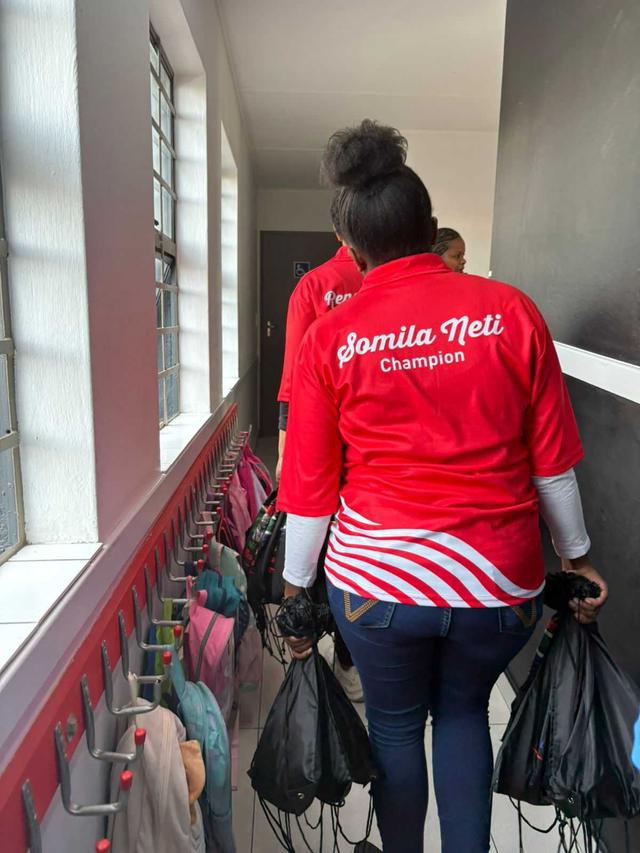
Instead of seeing employees simply as people who “give back”, we can see volunteering as a practical learning environment. A place where people stretch, lead, listen, problem-solve and use their professional skills in unfamiliar contexts. In many ways, it is the kind of development that cannot be replicated in a training room.
From giving skills away to building skills up
Traditional pro bono volunteering usually assumes that only the experts should participate. The senior lawyer, the finance director, the marketing lead — people who already have years of experience and can donate their expertise.
That model has value. But it is limited.
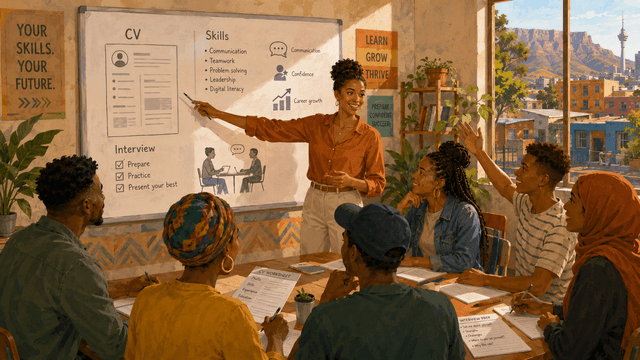
A skills-development approach opens the door much wider. It says that volunteering is not only for people who have “arrived”. It is also for employees who are still growing — aspiring managers, young professionals, team leads, technical specialists and people who need real-world opportunities to build confidence and capability.
When a finance person helps a nonprofit understand budgeting, they are not only supporting that organisation. They are learning how to explain complexity simply.
When a junior manager leads a volunteer project, they are not only coordinating logistics. They are learning how to lead people without formal authority.
When a marketing team helps a community organisation tell its story better, they are not only offering creative support. They are learning empathy, adaptability and audience understanding.
That is not charity. That is development with purpose.
Why this matters in South Africa
South African businesses operate in a country where inequality is visible, social needs are urgent and trust between business and society is often fragile.
At the same time, companies are under pressure to retain talent, develop leaders and create workplaces where people feel their work has meaning.
Skills-based volunteering sits at the intersection of both needs.
Nonprofits and community organisations often have deep local knowledge and enormous commitment, but limited access to specialist skills. Businesses have those skills, but employees also need opportunities to grow beyond their job descriptions.
When matched well, both sides benefit.
Communities gain access to practical support — strategy, finance, technology, HR, marketing, governance and operations.
Employees gain real experience — not theoretical leadership models, but the kind of learning that comes from working with people, constraints and realities outside the corporate bubble.
Companies gain stronger, more engaged teams.
Start measuring only hours
One of the biggest mistakes companies make is missing out on the reporting of hours spent with their employees upskilling the end beneficiary.
Hours matter!
With saying that, they shouldn’t be only measured on
A better question is: what changed?
Did the nonprofit gain capacity?
Did the employee build a new skill?
Did the team collaborate better?
Did the experience shift someone’s perspective?
Did the company strengthen its culture?
If we want skills-based volunteering to be taken seriously, we need to measure it seriously. That means tracking skills developed, outcomes delivered and relationships built.
Make it part of talent development
For skills-based volunteering to work properly, it cannot sit quietly in a CSI corner.
It should be connected to employee development plans, leadership pathways and team culture. Managers should be able to say: “This opportunity will help you practise stakeholder management,” or “This project will stretch your facilitation skills,” or “This is a good space for you to lead outside your comfort zone.”
When employees understand that volunteering can help them grow professionally while contributing meaningfully, participation becomes more intentional.
A better way to build business and society
The future of corporate volunteering is not about choosing between impact and business value. It is about designing for both.
Skills-based volunteering can help nonprofits become stronger. It can help employees become more capable. It can help companies build leaders who are not only technically competent, but more human, more adaptable and more connected to the country they work in.
South Africa does not need more tick-box volunteering.
We need partnerships that build capacity, dignity and trust.
And we need companies brave enough to see social impact not as something separate from business, but as one of the best classrooms business has.